While recently taking a look at some low production British cars of the 1960’s and 70’s, there were a few models which properly tickled our fancy and as such, we thought it would be interesting to feature them here on AV, so that others could also enjoy the…quirkiness of this period’s small British manufacturer’s and hopefully have the chance to, as we did, fall in love with some interesting stuff which isn’t often talked about. And we’re starting with something from one of GB’s most recognizable names: AC.
AC 3000ME
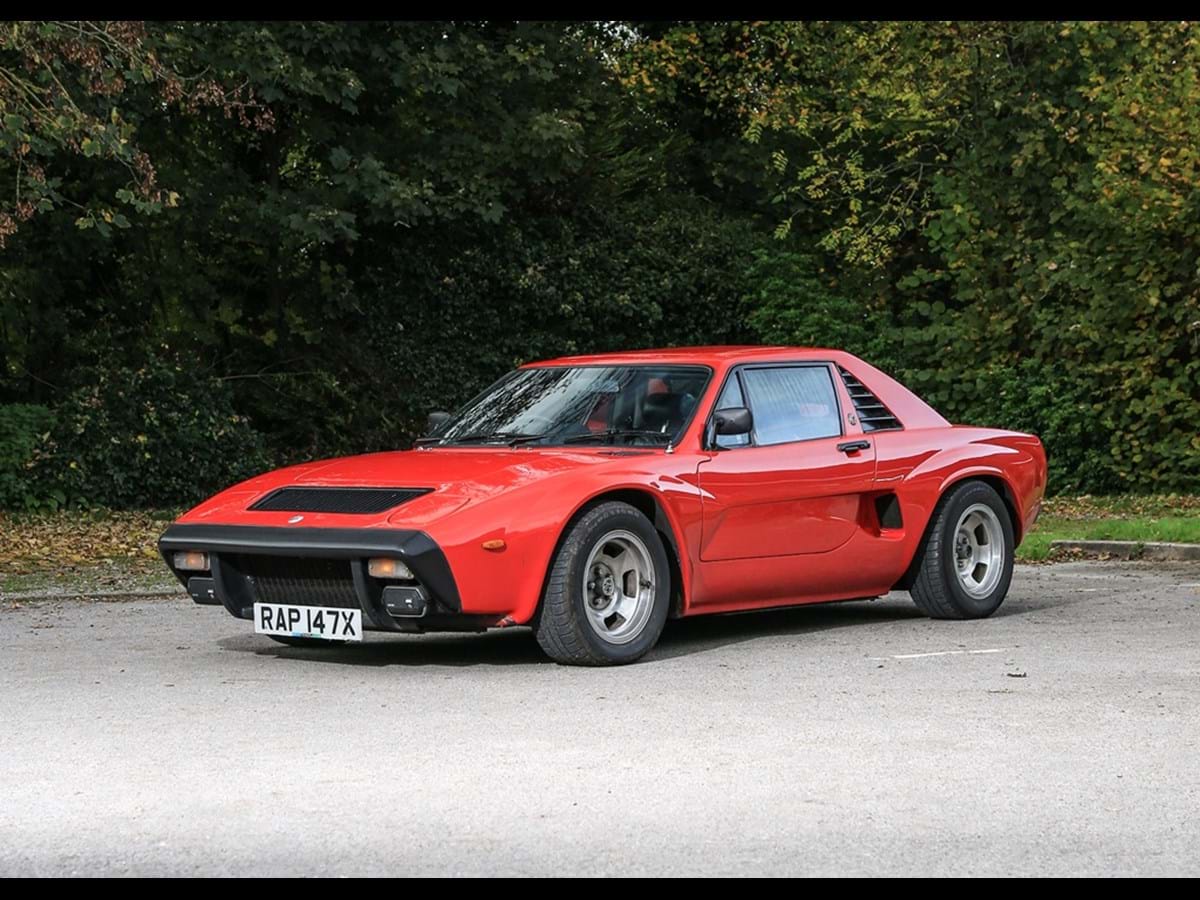
The AC 3000ME debuted at the 1973 London Motorshow. However, sales for this model would only start years later, in 1979. The model was based on a 1972 concept car named “Diablo”, a product of a company called Bohanna Stables, property of Peter Bohanna and Robin Stables. Bohanna was an automotive engineer who had worked with Ford on the GT40 project and with Lola while the T70 was being developed. Stables was a racing mechanic and Lotus dealer who had also worked for Lola where, in fact, he and Bohanna met and worked on the Diablo concept. Looking to turn the Diablo base into a production model, the two partners sought help from TVR and from AC. Keith Judd from AC supposedly became such a supporter of Bohanna’s and Stables vision that he ended up driving the Diablo to the company’s headquarters himself, hoping to convince AC’s owner Derek Hurlock to give the project his blessing, something which didn’t come easily.
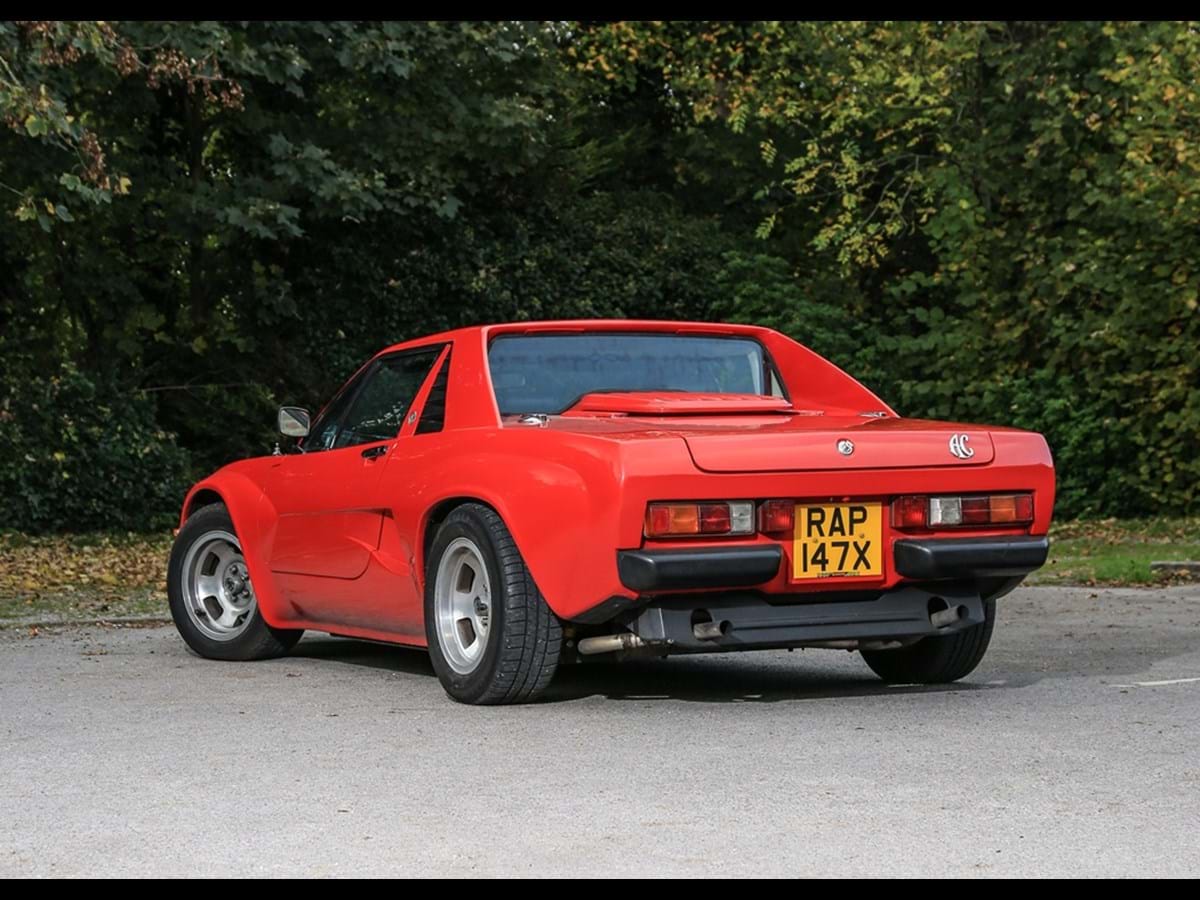
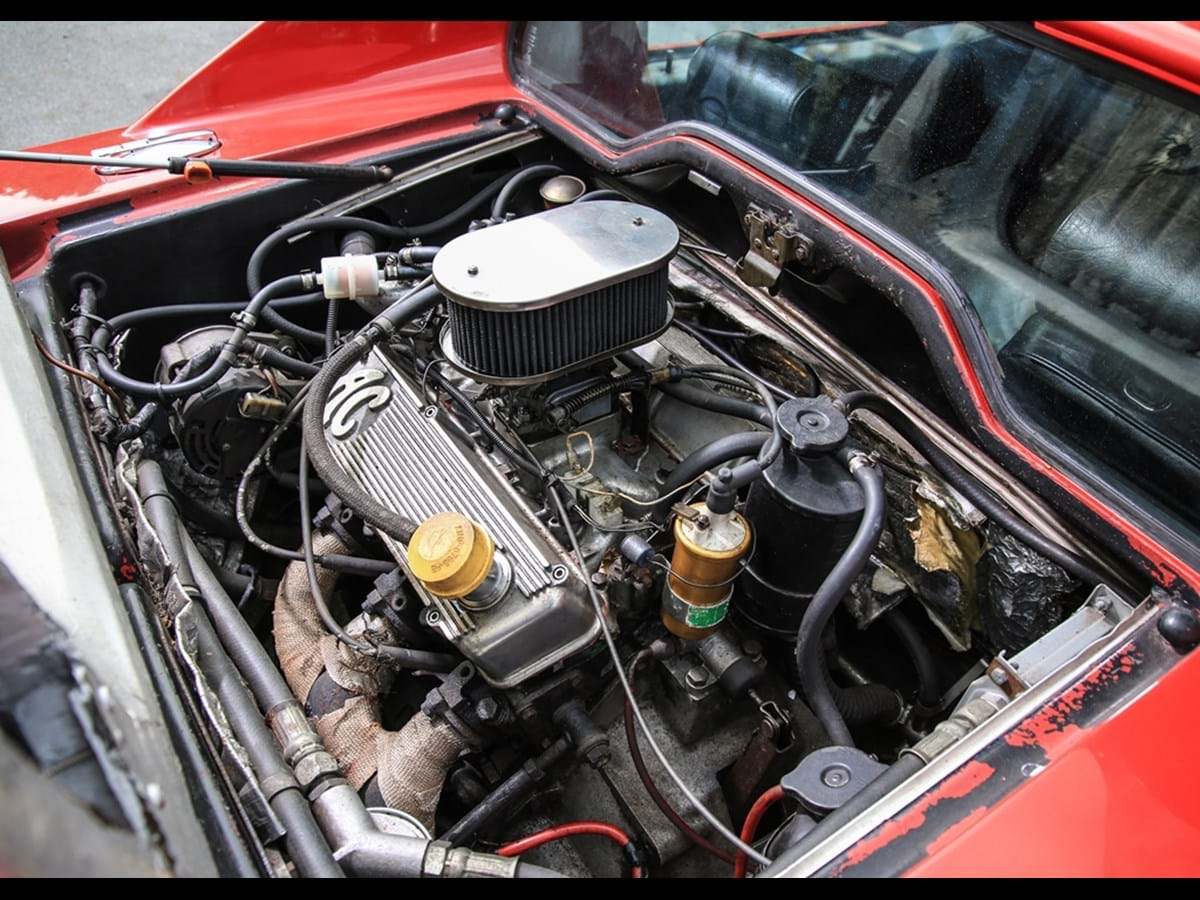
Eventually a green light was given and the concept car’s tubular chassis was replaced by a more conventional monocoque layout with front and rear subframes. The engine which Bohanna and Stables had lifted a junkyard BMLC (Austin) Maxi was replaced by a 3L V6 Ford Essex from the venerable Capri (with 3000ME meaning 3000cc, mid-engined). With 138 bhp and a 0 to 60 time of 8.5 seconds, the lightweight fiberglass body and 5 speed gearbox developed by AC itself and which would only attach to the Ford 3L, helped to put a (moderate spring) on the 3000ME’s step.
Reportedly several orders were placed at the model’s debut, which had an estimated price tag of 3400 to 3800 pounds attached. We say “estimated” because with the UK joining the European Union (then Community) in 73, the 3000ME had to be submitted to a whole new set of safety regulations which did not take small manufacturers into account and which demanded a degree of investment to satisfy. Besides, these regulations would change often, forcing AC and other manufacturers to constantly respond to new demands. With the 3000ME’s getting a fail on its first crash test, additional development was inevitable and although the fixes ended up being fairly minor, the time lost wasn’t insignificant.
The 70’s financial instability and inflation mean that by the time the car reached dealerships, the price had skyrocketed to 11.302 pounds, almost triple what was originally estimated. By the following year (1980), the 3000ME was 13.300 pounds! At that price already competing with the likes of the Porsche 924 Turbo, TVR Tasmin and Lotus Esprit S2.
Besides the price, the handling was also something for potential buyers to ponder, as the first tests of the 3000ME by the auto press found it lacking, with Motor, Autocar e Car magazine all expressing concern with the car’s rear instability. Derek Hurlock, AC’s Managing Director reportedly blamed the criticism on journalists’ lack of skills, and AC ended up never bothering with the issue.
19 to 21 (sources differ) 3000MEs would end up being modified in period by Rooster Turbos, a company belonging to Robin Rew, mechanic and prolific hillclimb driver, as well as a noted figure in the Reliant Saber, Scimitar and Morgan 3-wheeler world. After being fitted with Garrett (then IHI) turbos, the 3000ME’s power figure rose to 200bhp and Rooster reportedly made at least one twin turbo, 300 bhp example. Rooster fiddled with the 3000ME’s rear suspension geometry as well, insuring some better handling.
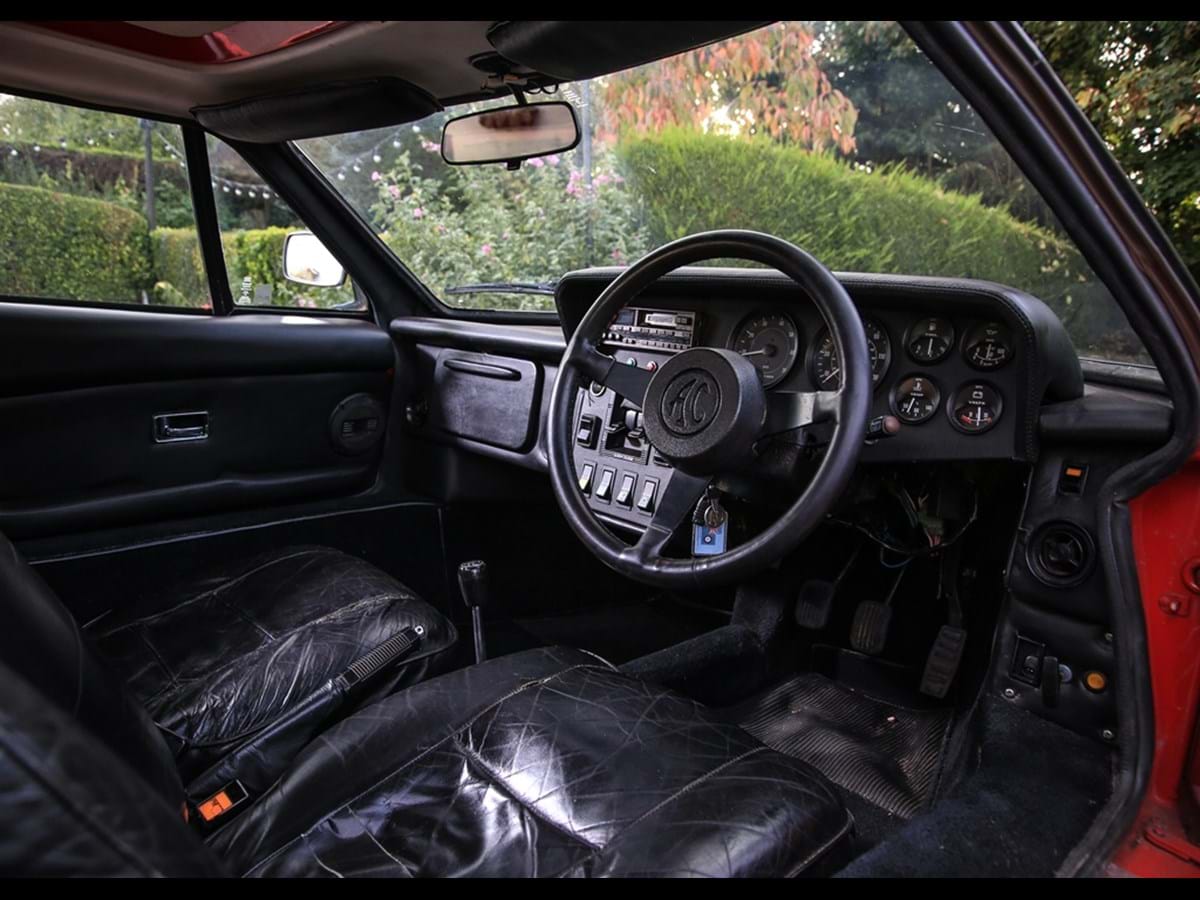
Despite the rocky start and difficulties in production, the 3000MEs were comfortable, spacious and fairly well equipped models for their time. However, they didn’t prove to be the sales success that AC needed to keep itself afloat. AC’s factory would actually end up being sold and its dealer network collapsed completely. In 1984, production was licensed to a new company, AC Scotland, with a series of 30 additional cars being made – unsurprisingly – up in Scotland, near Glasgow, before difficulties overwhelmed this new entity as well, putting a definitive stop to the 3000ME production run after a total of 104 units left the factory(ies). There were plans to fit Alfa’s V6 Busso to the 3000ME, but the plan was scrapped, and two prototypes based on this model were still constructed by a third company, Ecosse Signature, those fitted with Fiat 2.0 turbo engines, but the project never advanced.
The 3000ME remains stylistically as one of the most interesting limited production models of 1970’s, both very much its own thing and simultaneously a delicious amalgamation of styles, design cues and influences.
Image credits: Historics.co.uk

