Trident Clipper
Ghost of an unfulfilled future for TVR, the Clipper was a small car with big possibilities, but doomed to fall short of its potential.Trident Cars Ltd. was a Suffolk based car company which partook in the popular 60’s and 70’s trend of creating hybrids. Back then, the term wasn’t even remotely associated with what we think of as “hybrid” is today; instead, these were a mix of European style and American power. On paper a recipe for success, this type of union wasn’t however always a particularly happy one. But it did make for some very interesting cars and the Clipper was certainly one of them.
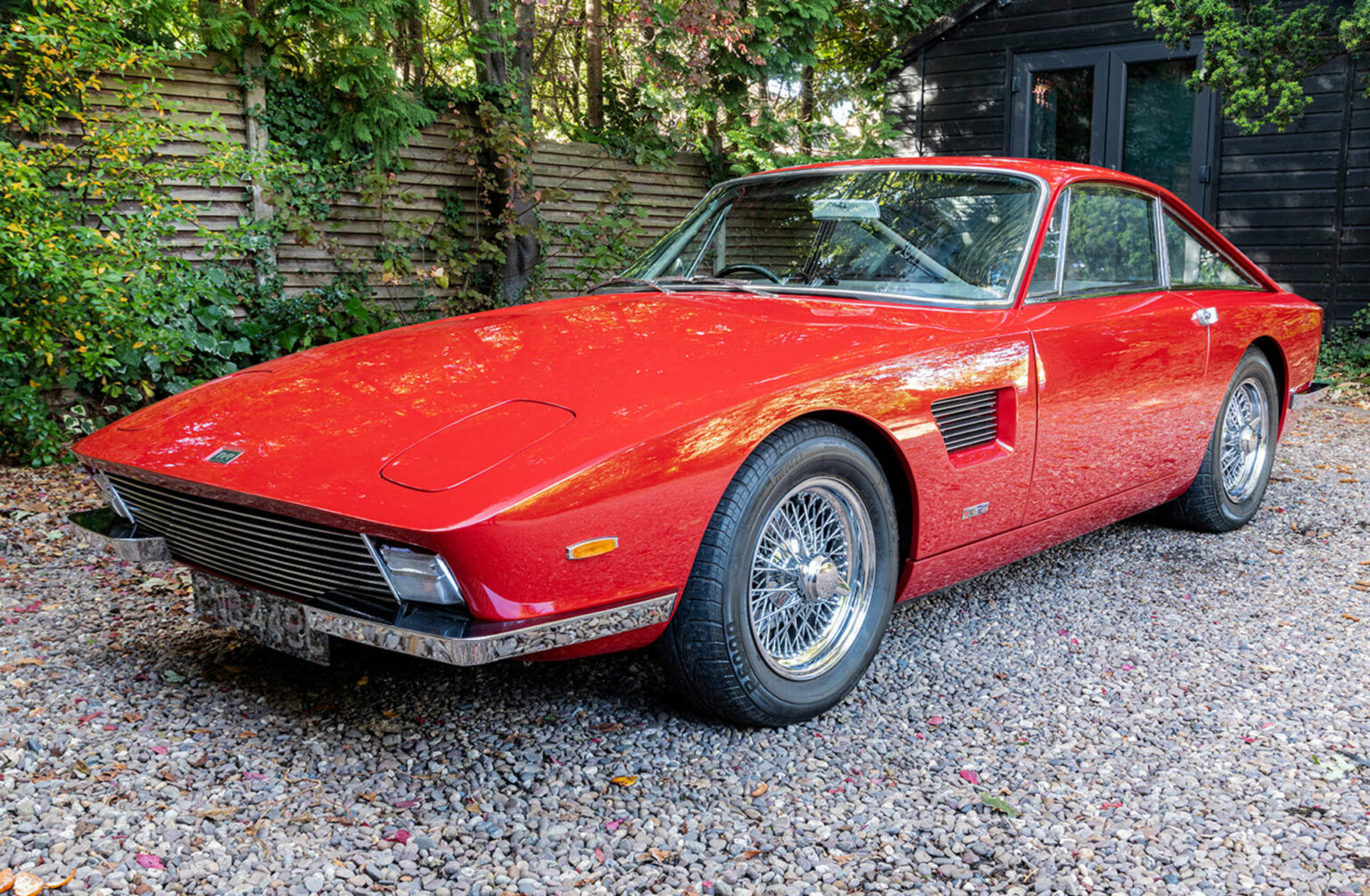
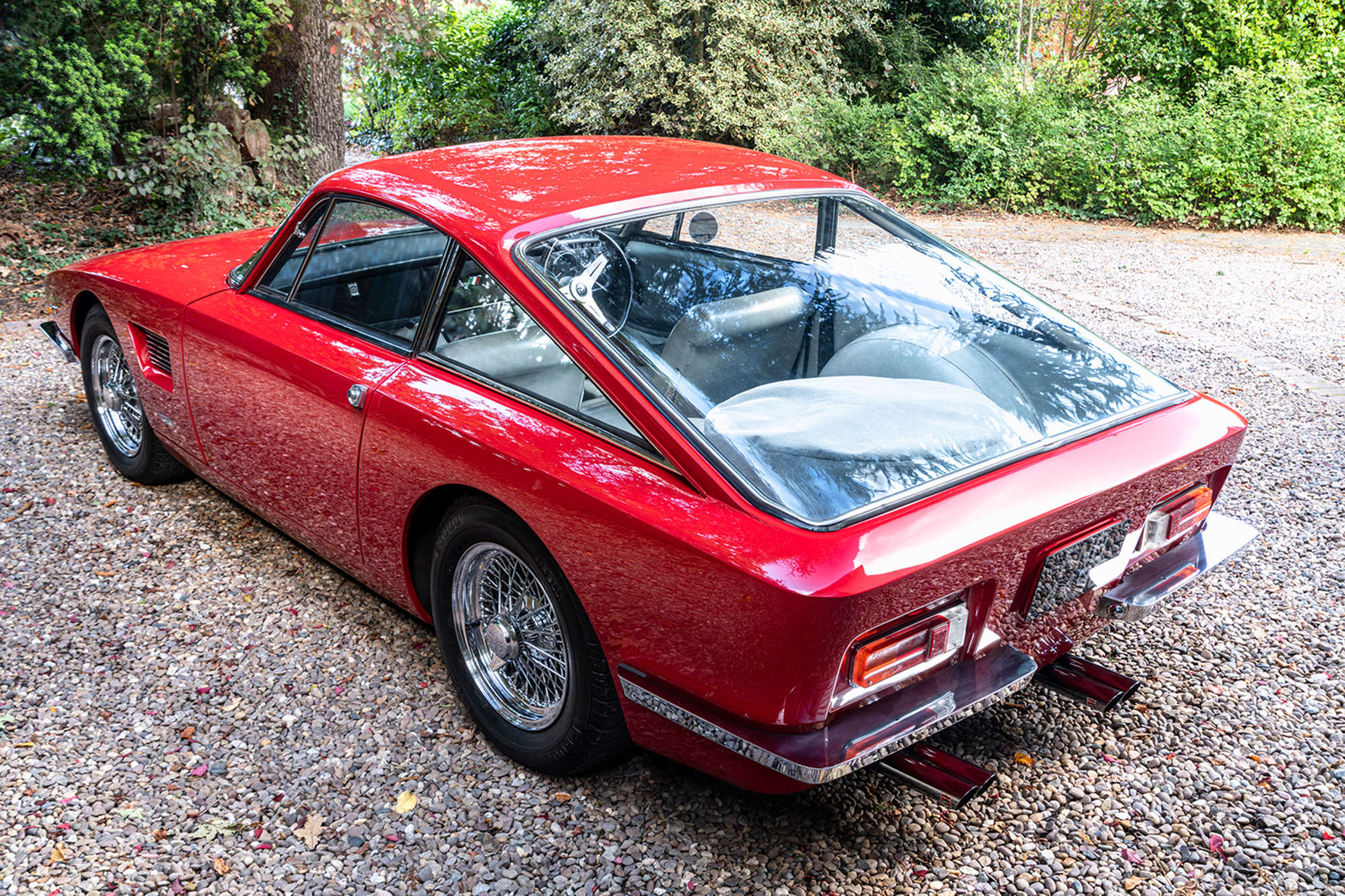
The Clipper’s story began with Trevor Wilkinson’s mythical Blackpool marque, TVR. In 1964, Wilkison tasked Trevor Frost with creating a new automobile. Chief designer at Fissore and father of Citroen’s radical concept car Karin, De Tomaso’s Vallelunga and Alpine’s A310, Frost created a sober yet elegant fastback, with predominantly straight lines and a rear section dominated by a big window framed by thin pillars.
Christened “Trident”, the new TVR was powered by a 4.7L Ford engine, with four examples having been built, three coupes and one convertible. The Trident debuted at the 1965 Salon de Genève, where it was well received by both public and automotive press alike. However (and not uncharacteristically), TVR was going through financial issues, and the situation ended up becoming so dire that the company went under. The majority of its assets were picked up by a TVR dealer, Martin Lilley. Funny enough though, the rights to produce the Trident were not part of that deal, as they were sold separately to another former TVR dealer, William Last whom in turn set up a new company, the aforementioned Trident Cars.
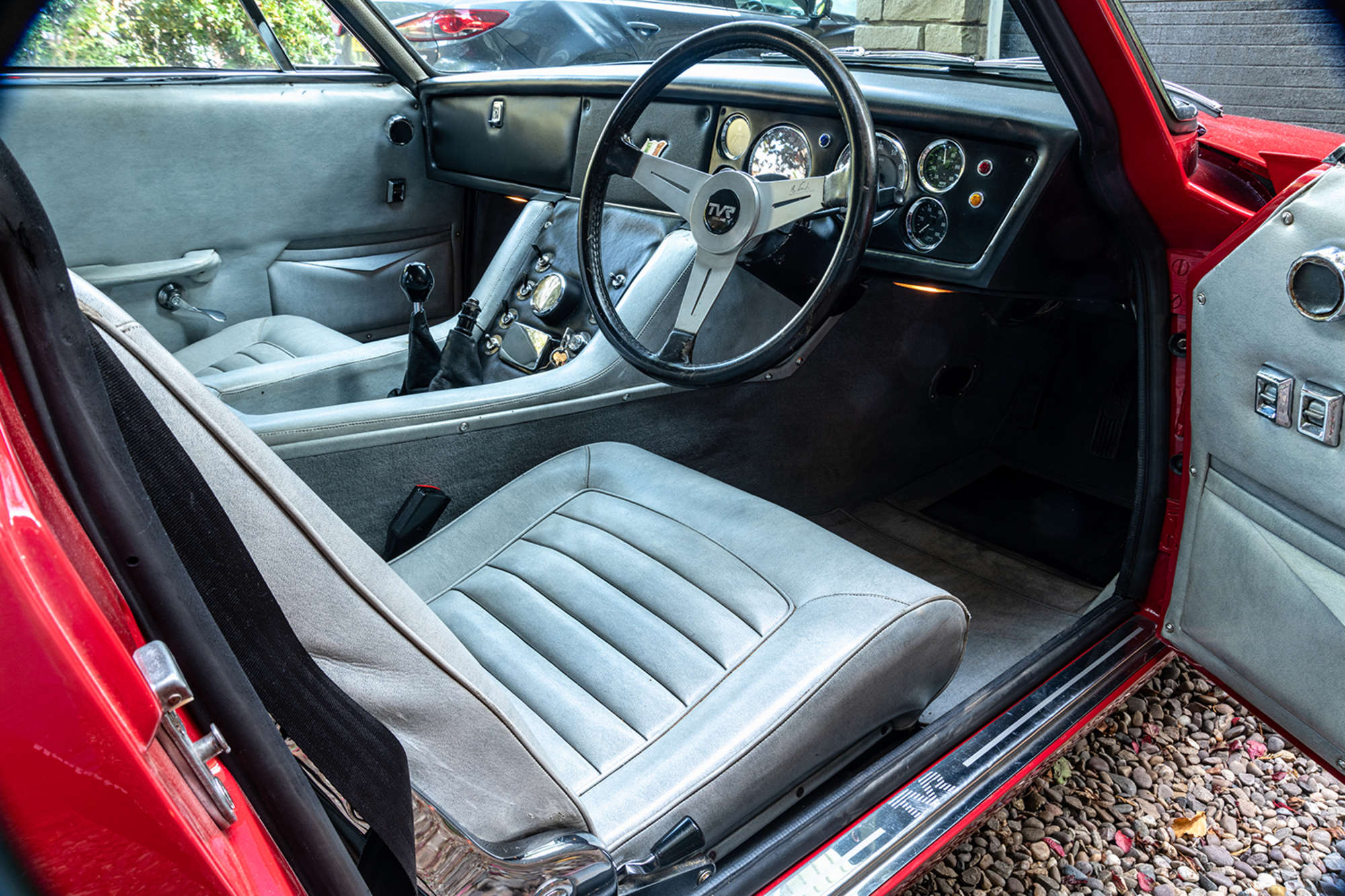
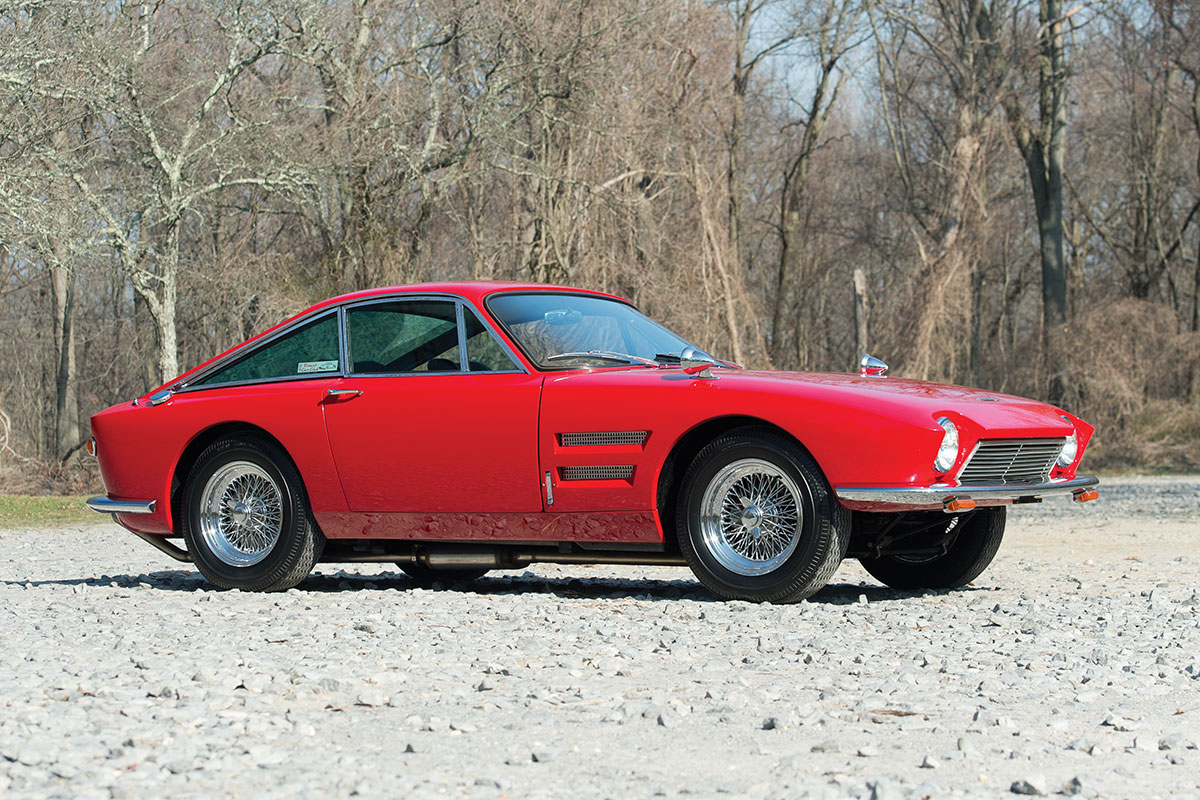
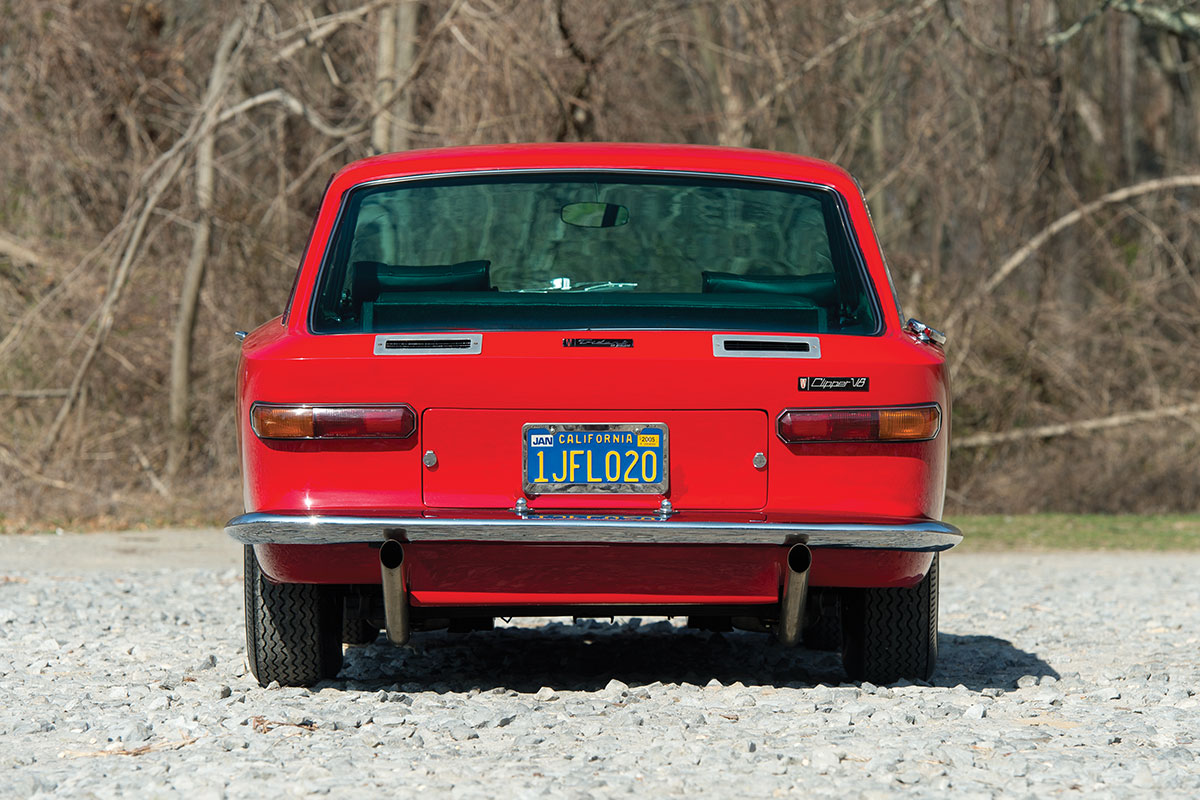
Unlike the original four concepts which had steel bodies and aluminum hoods, for the production model, Trident went with a light, popular and most importantly, affordable material; fiberglass. William Last got a hold of Frost, and tasked him with making a few changes to his original design. The pop up headlights were sadly replaced with more traditional (one could almost say antiquated when compared to the Trident’s overall looks) fixed units. This was a much less appealing proposition and quite reminiscent of the Ford Corsair. The back of the car also underwent some changes, losing its shapely taillights set in dramatic, recessed panels (replaced with a completely straight, and completely smooth rear) for a slightly curved set pulled from the Austin 1800, which, in all fairness, did slightly hug the edges of the new Trident quite nicely.
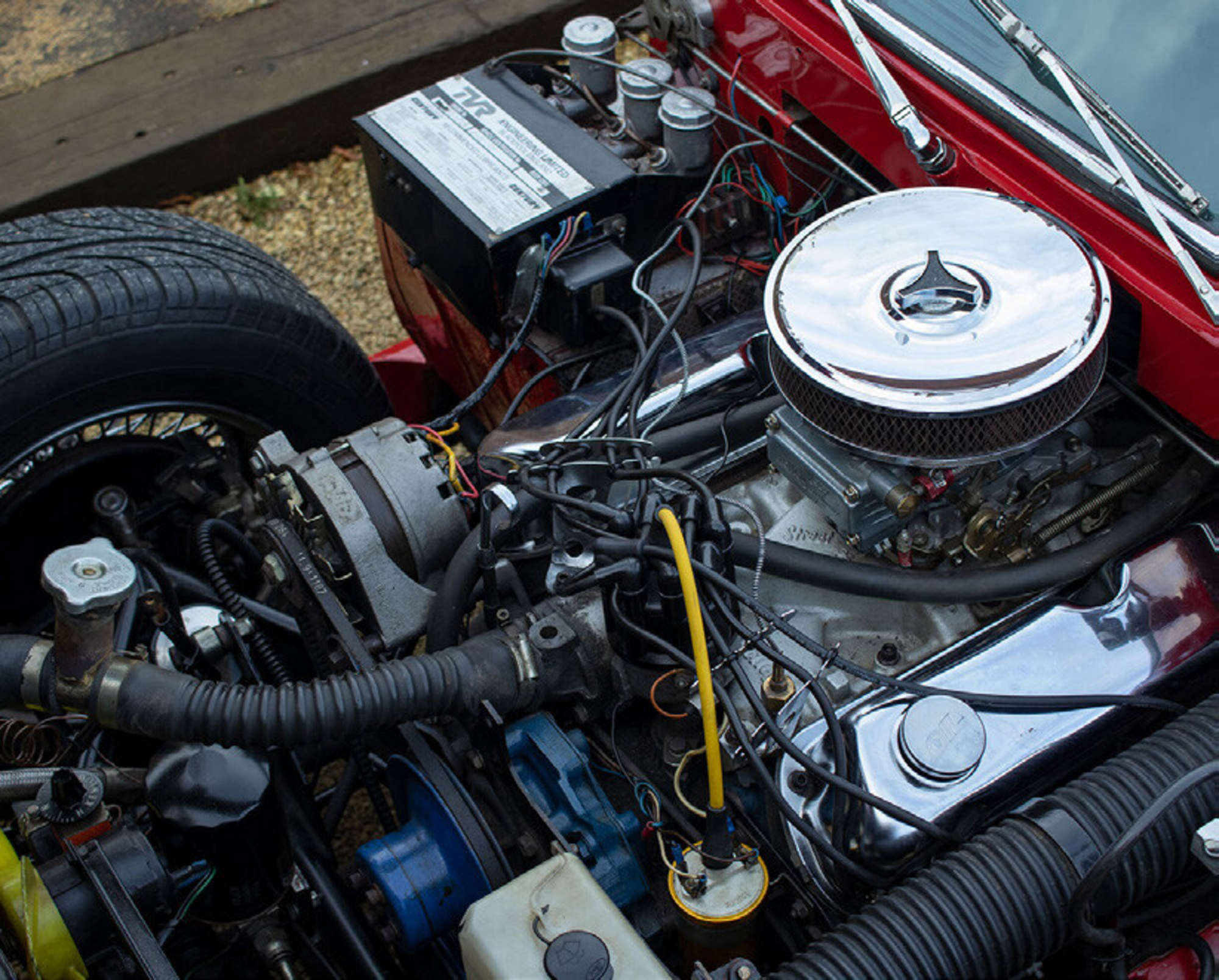
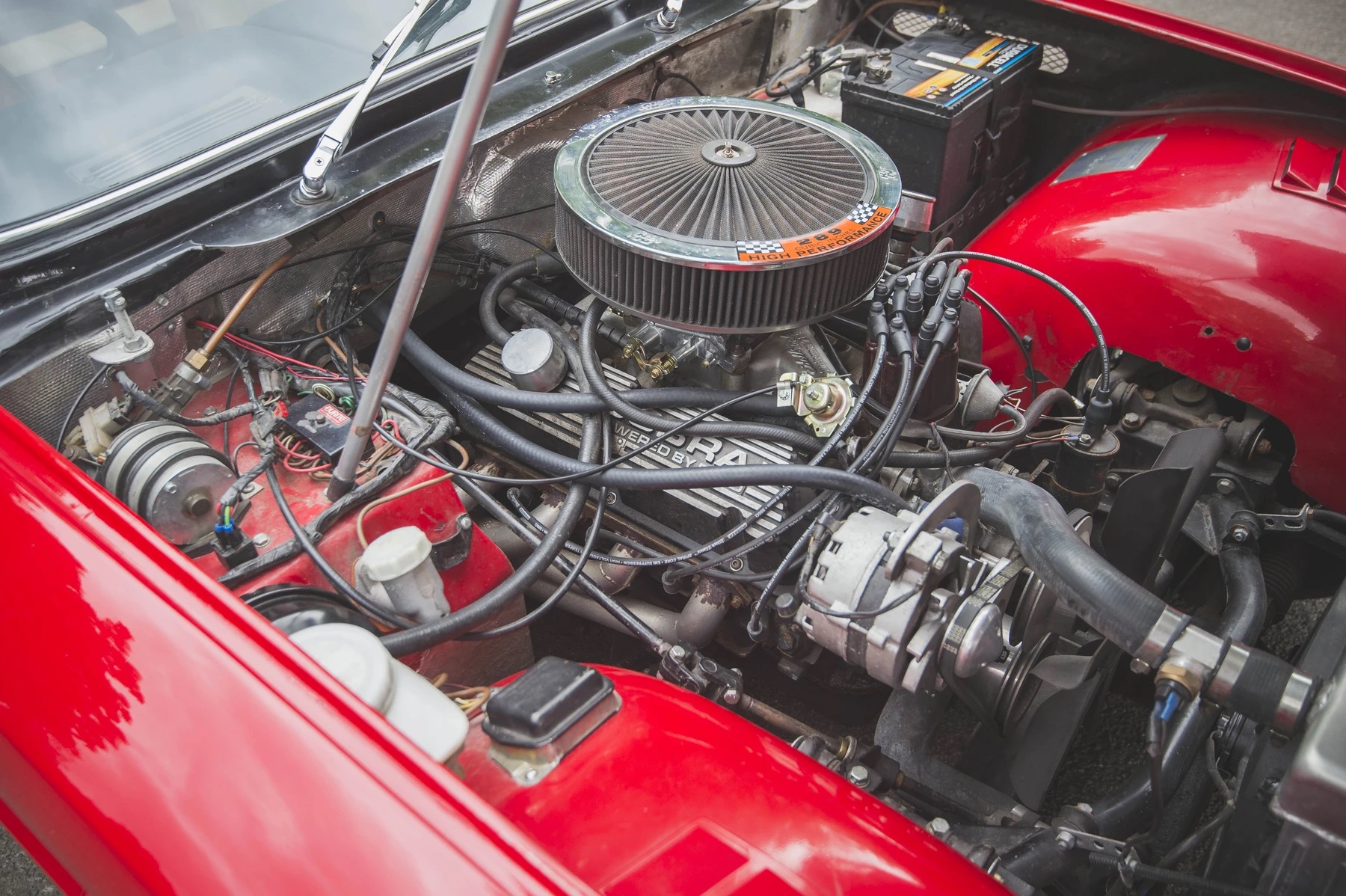
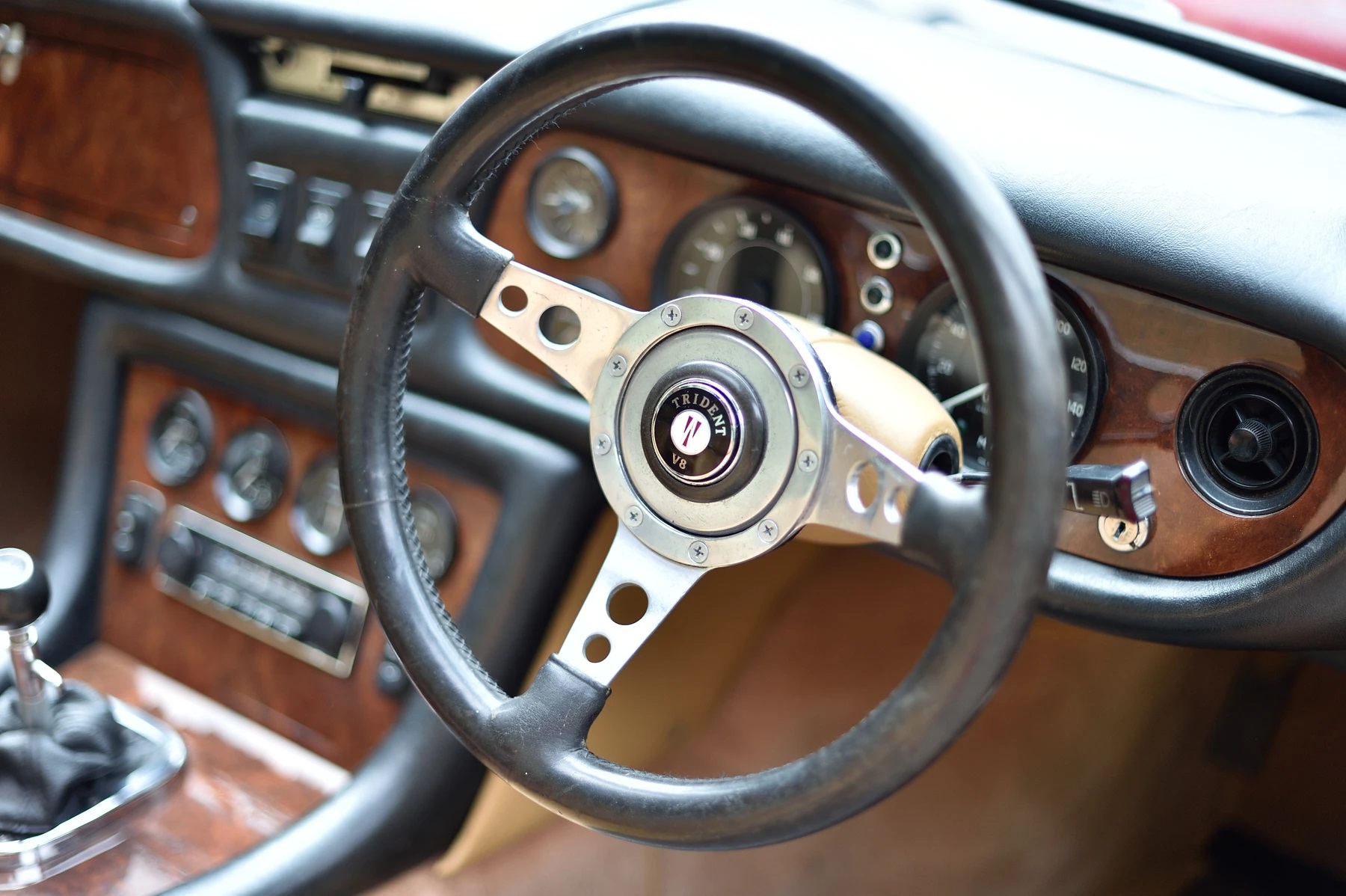
Unlike the four concept cars, which were mounted on TVR Griffith chassis, the now named “Clipper” was, underneath, an Austin Healey 3000. Nine Clippers were equipped with Ford’s 289 V8, arguably making them the most desirable variants of this model. Overall, mechanically Clippers were not, however, advanced cars, with four wheel drums and live rear axles, as well as cam and peg steering.
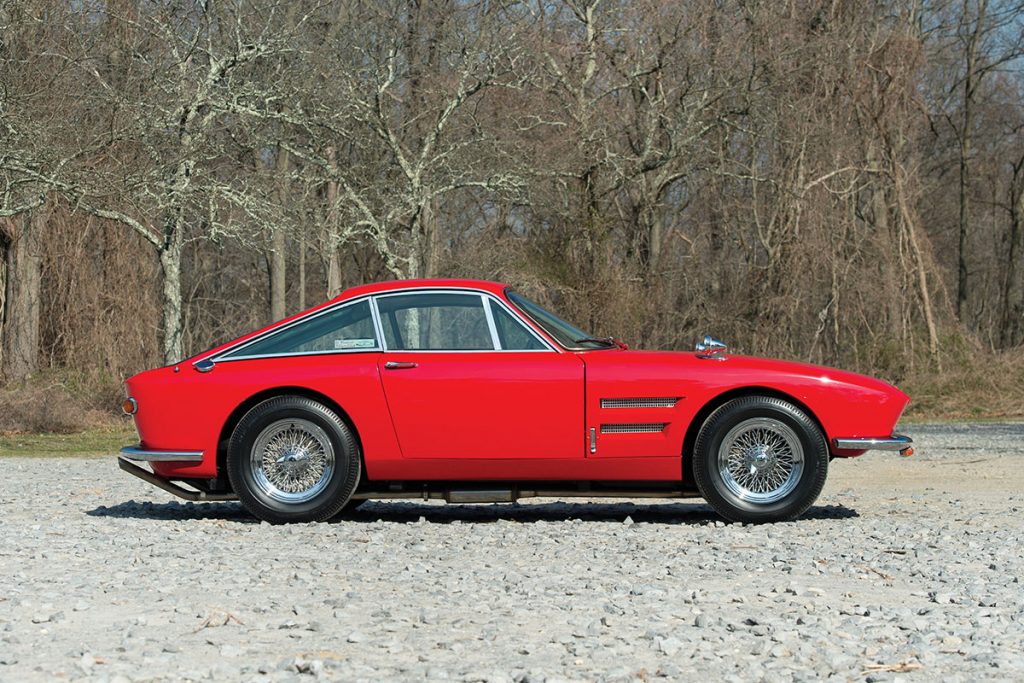
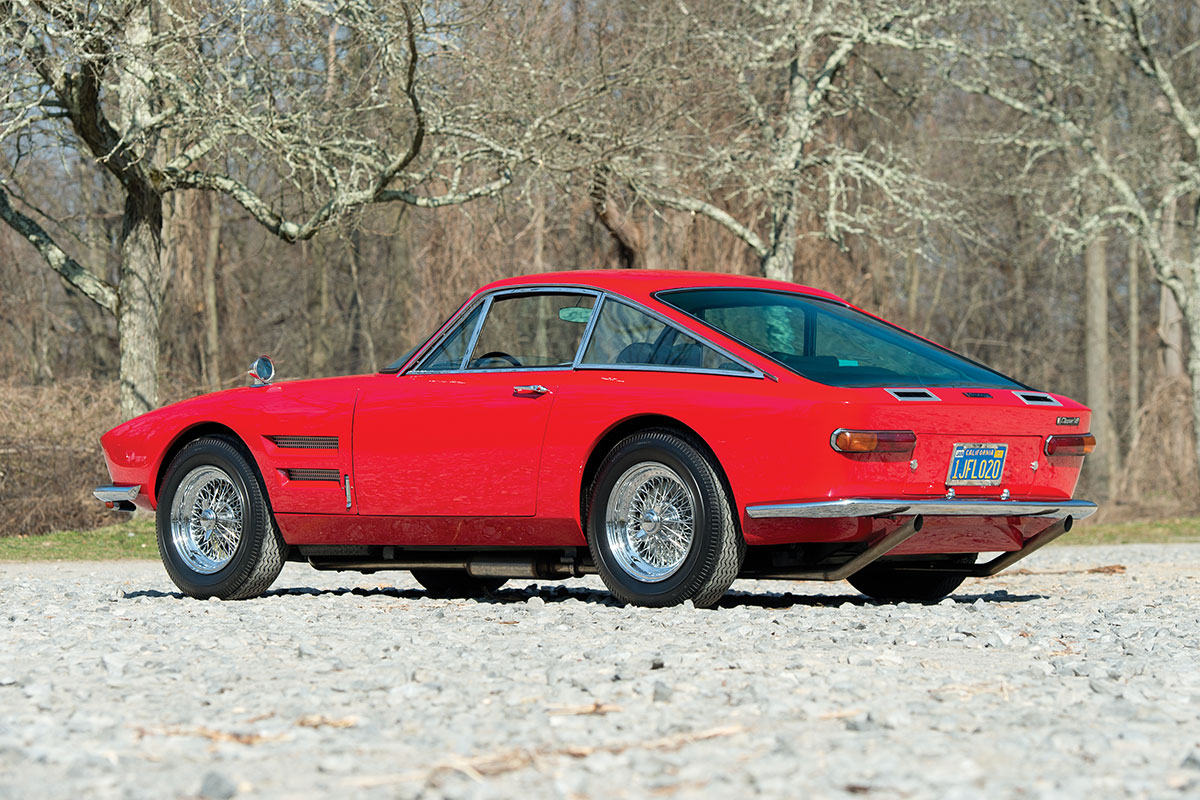
In 1969, Trident Cars introduced the “Venturer”, based on Triumph’s TR6 and powered by Ford’s Essex V6. Up until this point, reportedly only 39 Clippers had been produced, eventually followed by 84 Venturers. In 1971, the last variant of the Clipper came out, the “Tycoon”, a Triumph TR6 based model with 2.5L inline sixes and automatic gear boxes. The Tycoon’s production was halted in 1974 due to the oil crisis and when it came back in 1976, it featured controversial looks, dominated by the big rubber bumpers demanded by U.S. safety standards. In the end, only seven Tycoons were reportedly produced, two of those in 76. By 1977, Tridents were effectively no more.
At a glance, telling Clippers and Venturers apart isn’t easy, being a challenge which should wisely be left to the connoisseurs and enthusiasts of these fairly obscure rides, since it seems that different stylistic variations and external components seem not to obey any true rhyme or reason. This isn’t at all surprising, because with Trident being such a small manufacturer, just grabbing a hold of anything that happened to be available at the moment in the parts bin was a bigger imperative than absolute conformity and consistency. Plus, both Clippers and Venturers were also sold in kit form, so anyone who was assembling one in their garage or back yard was perfectly at liberty to bolt on whatever he pleased to the thing.
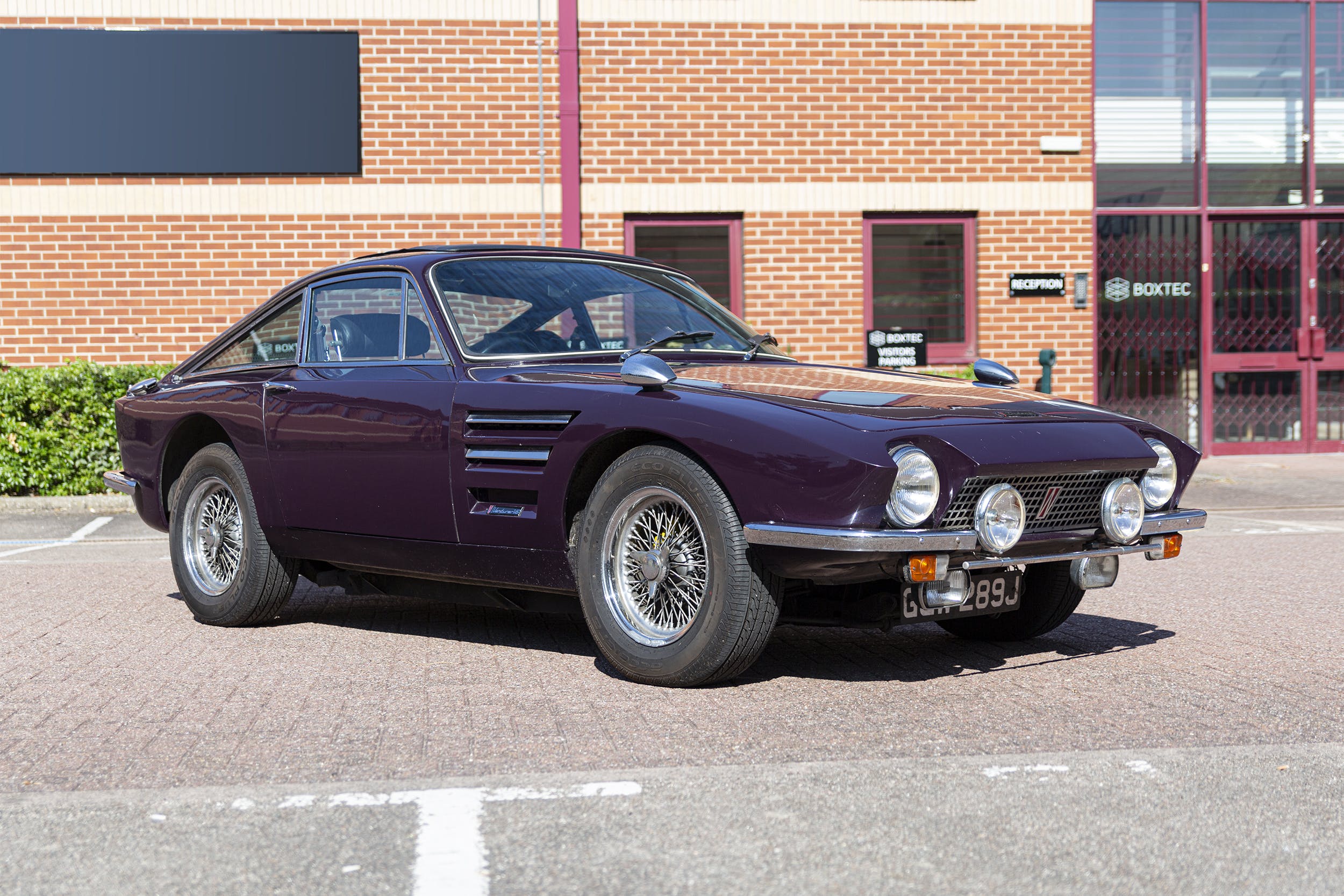
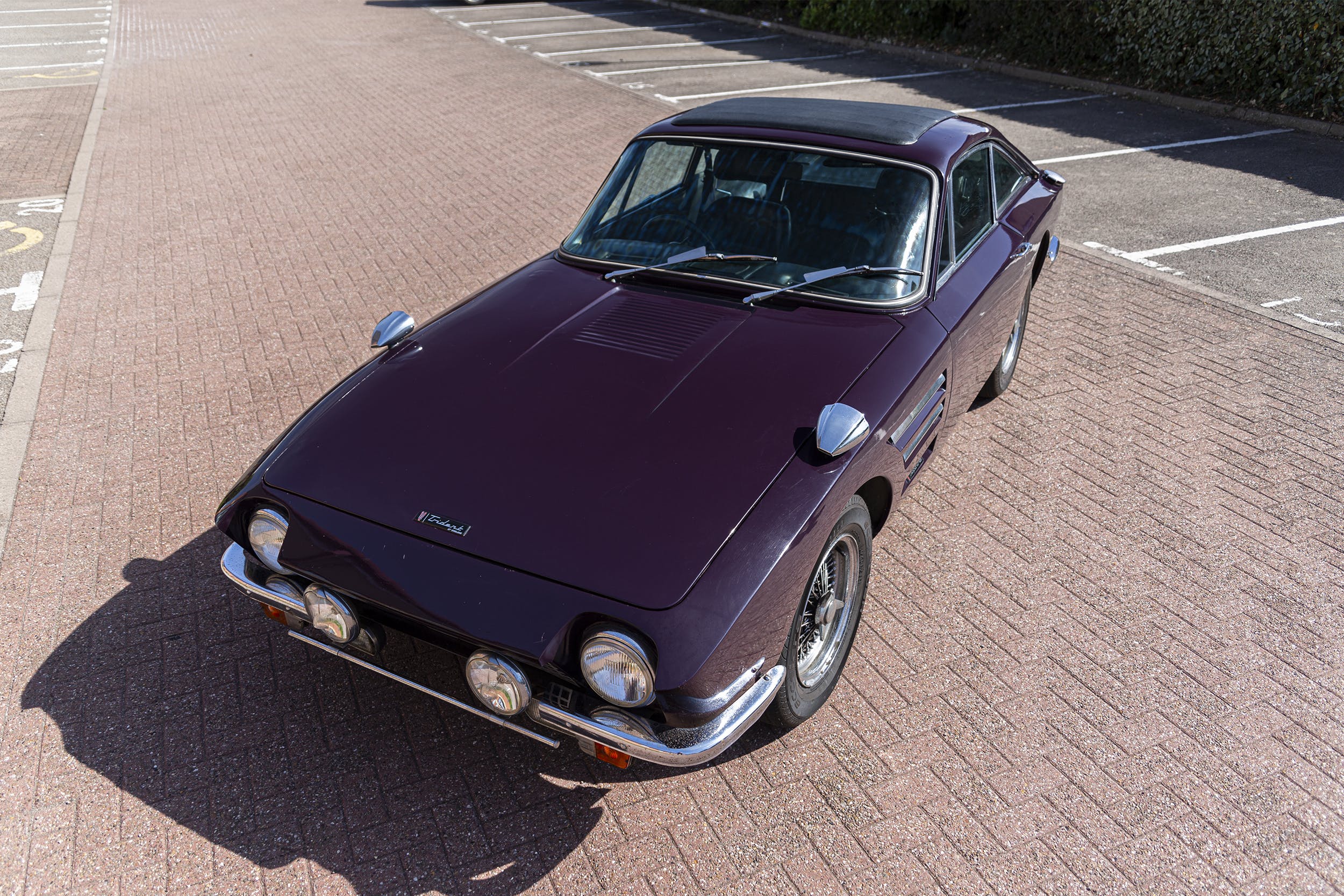
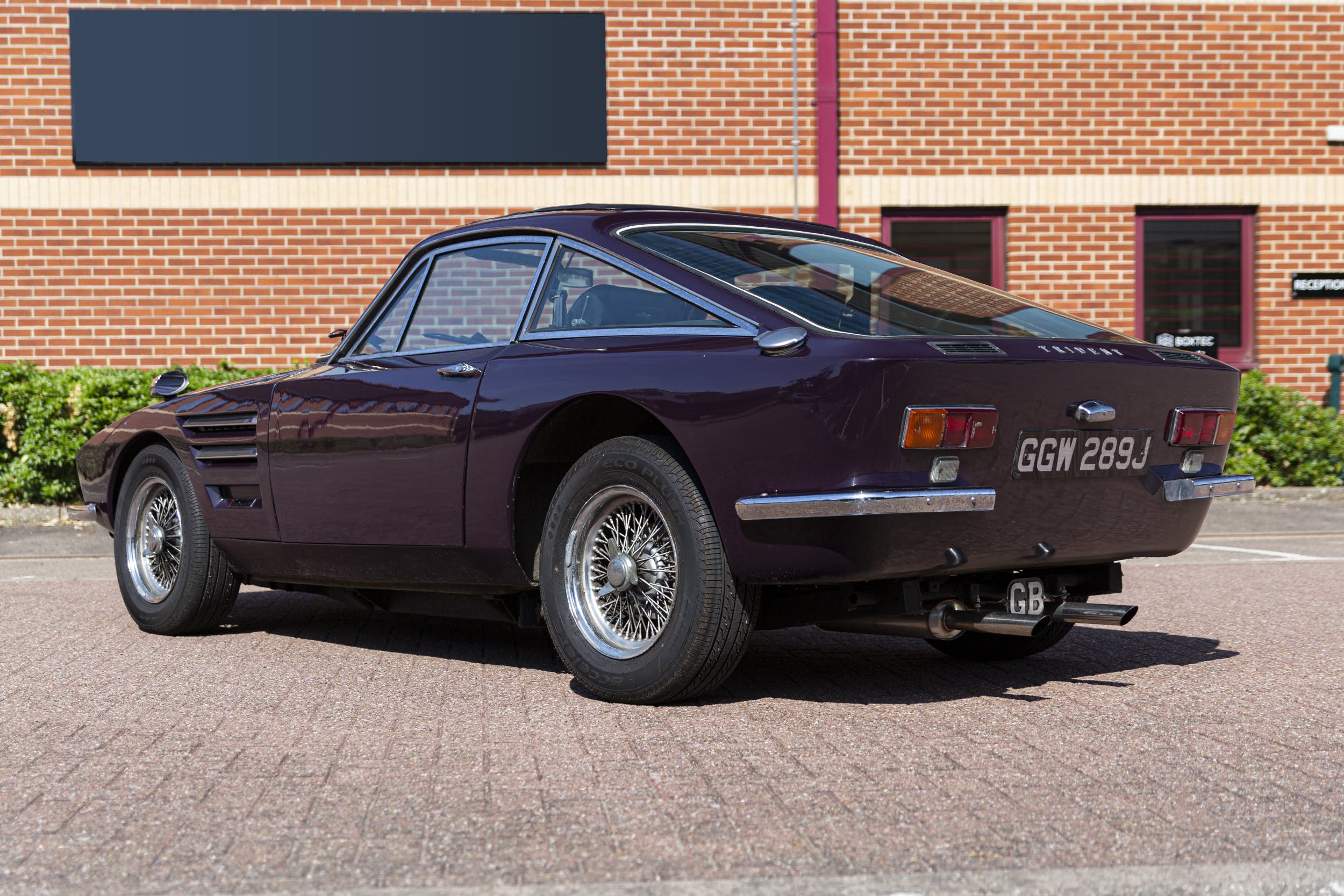
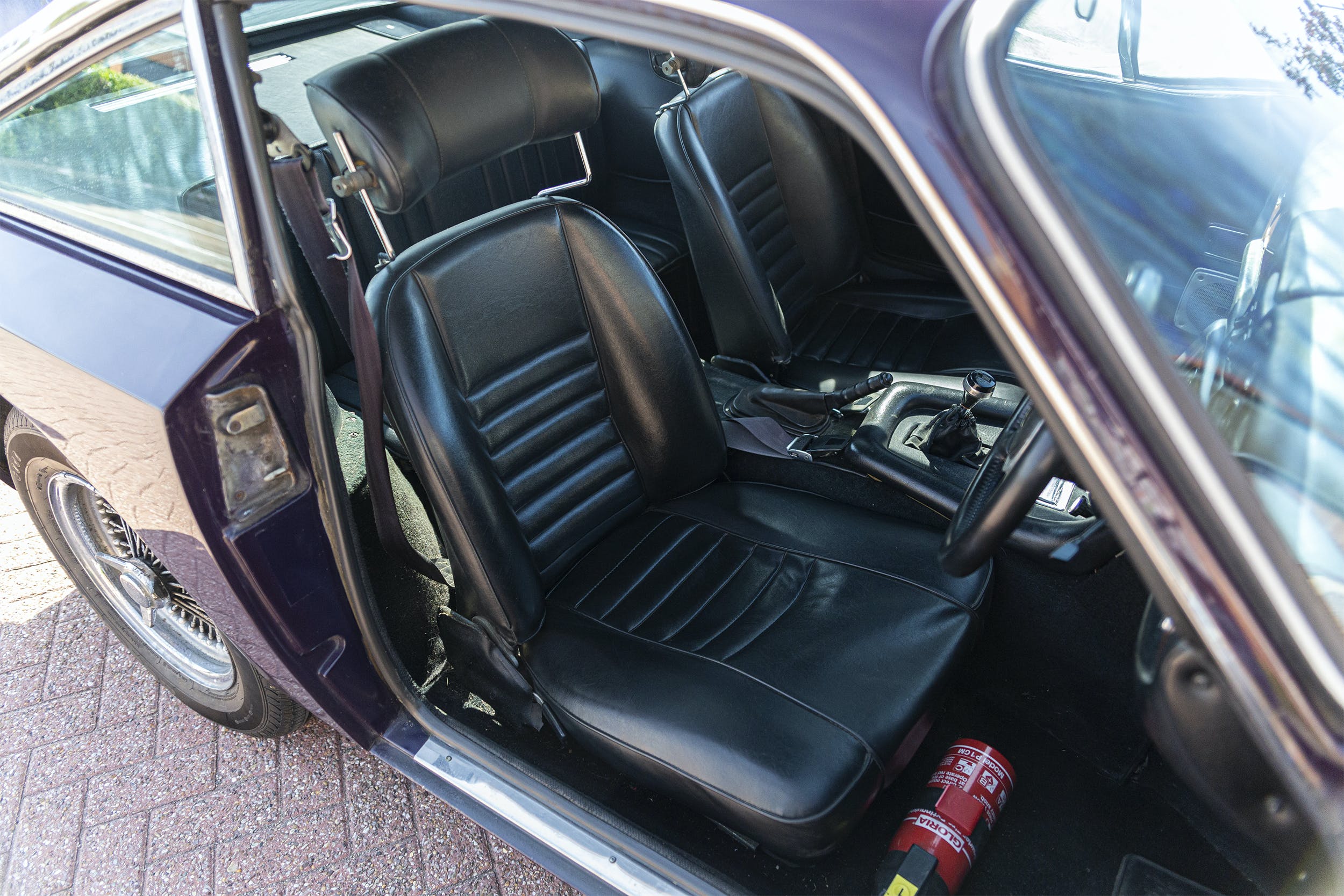
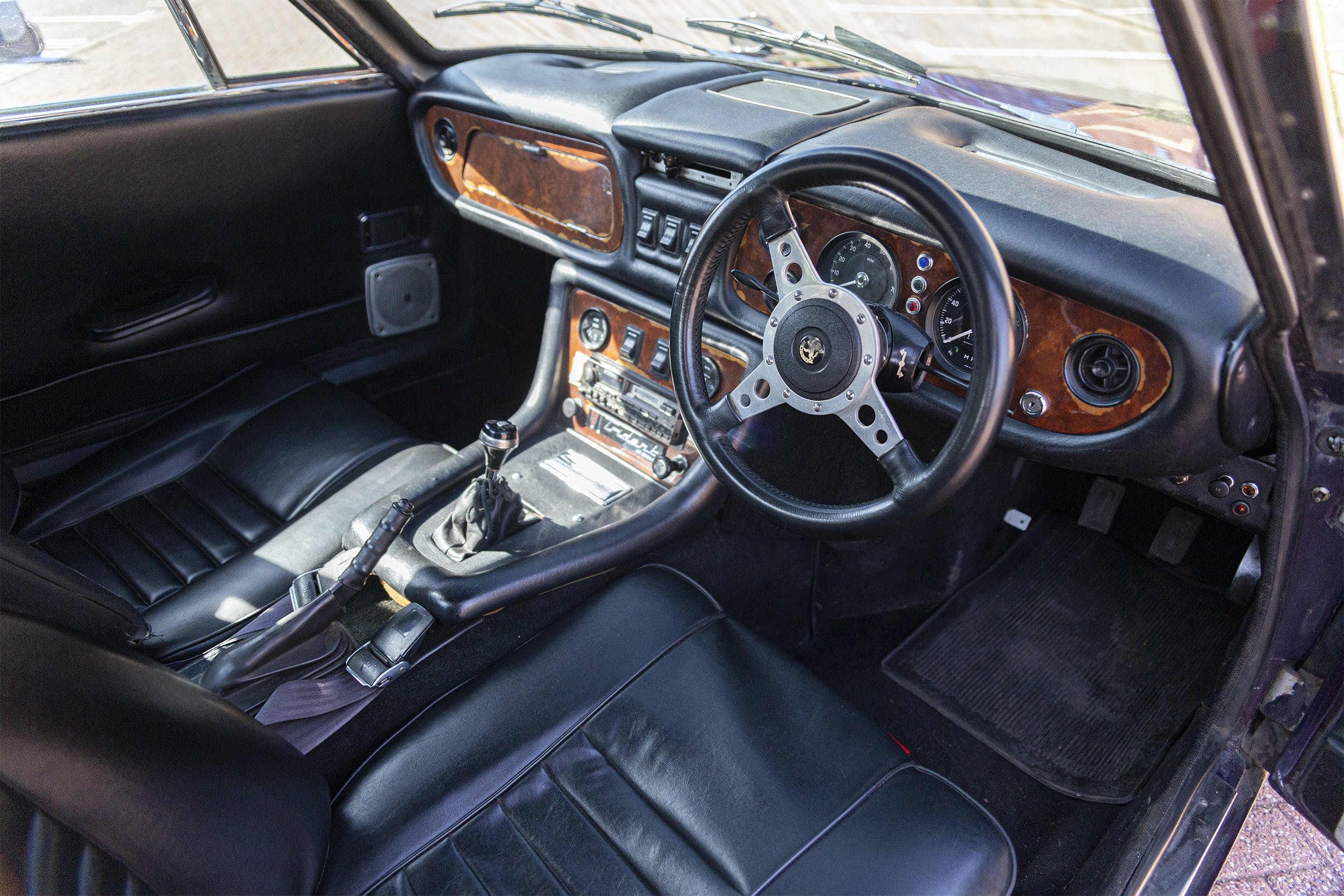
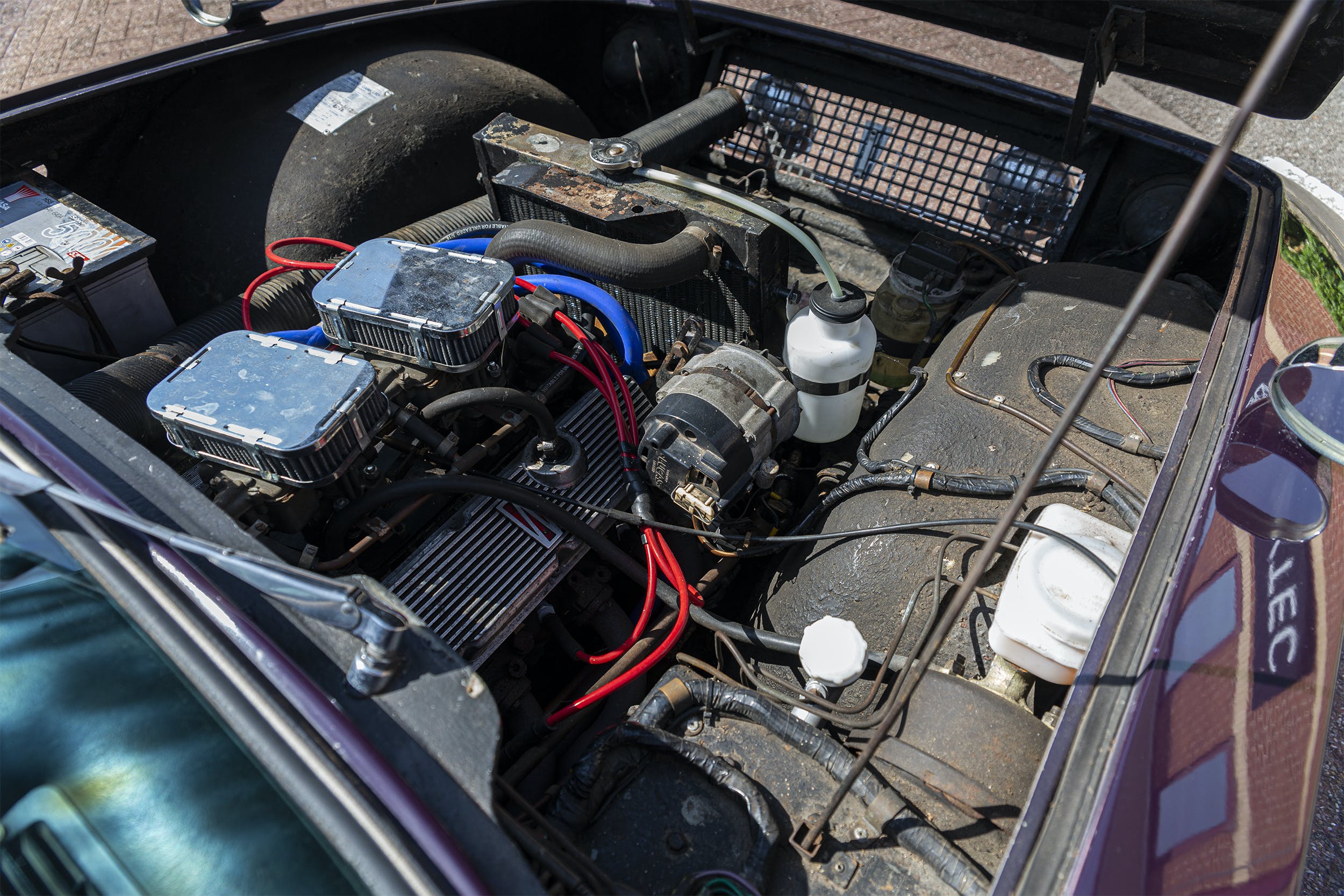
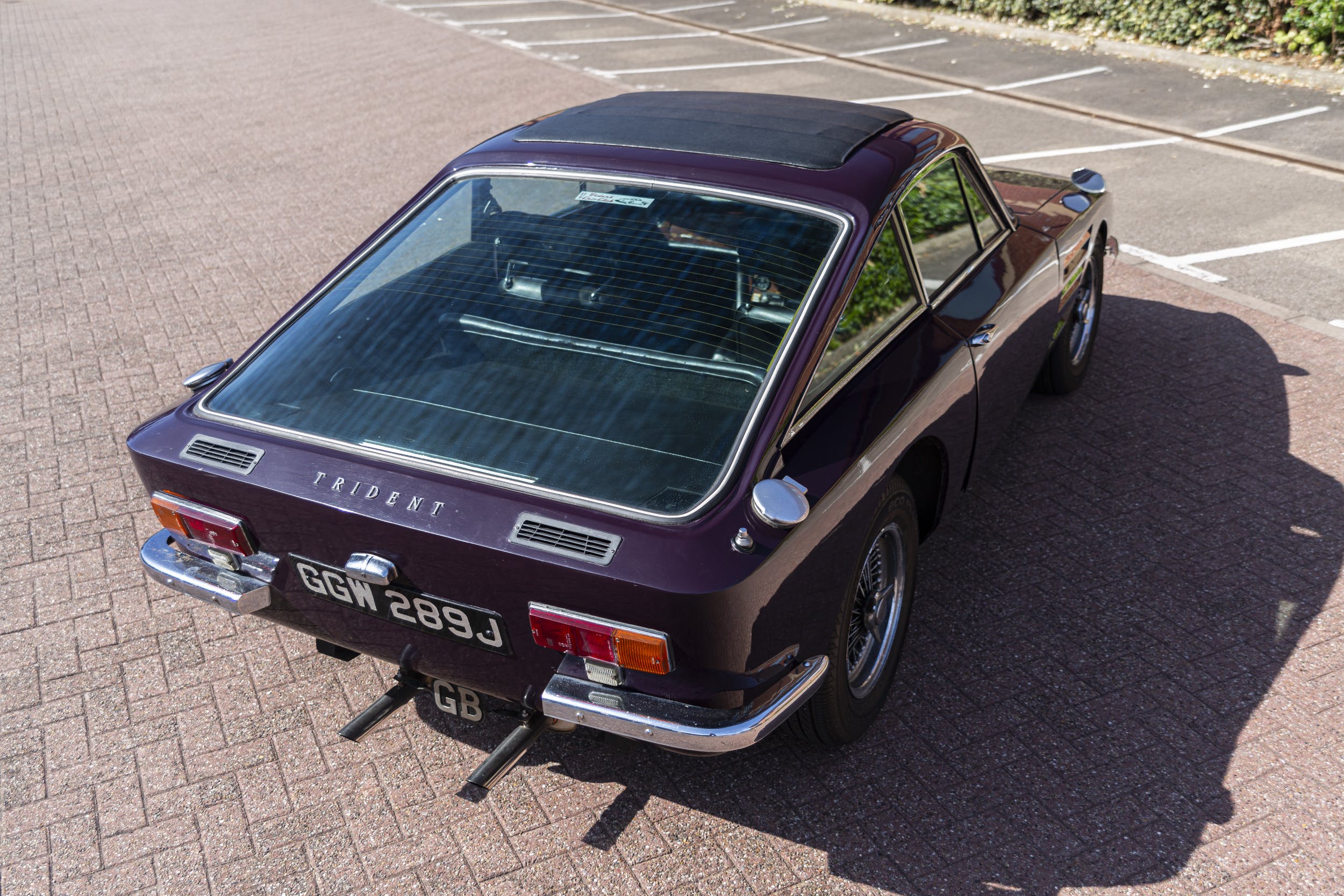
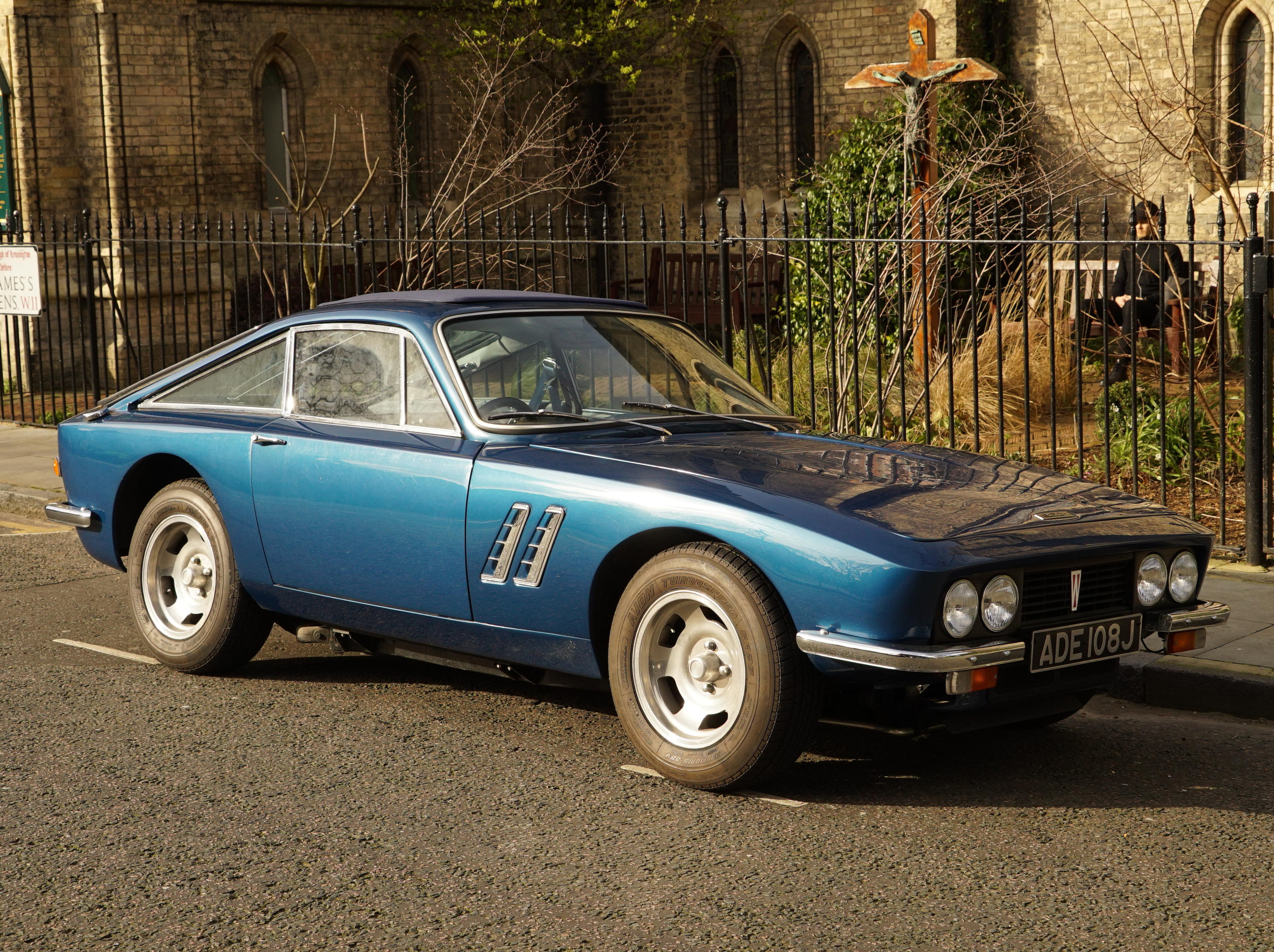
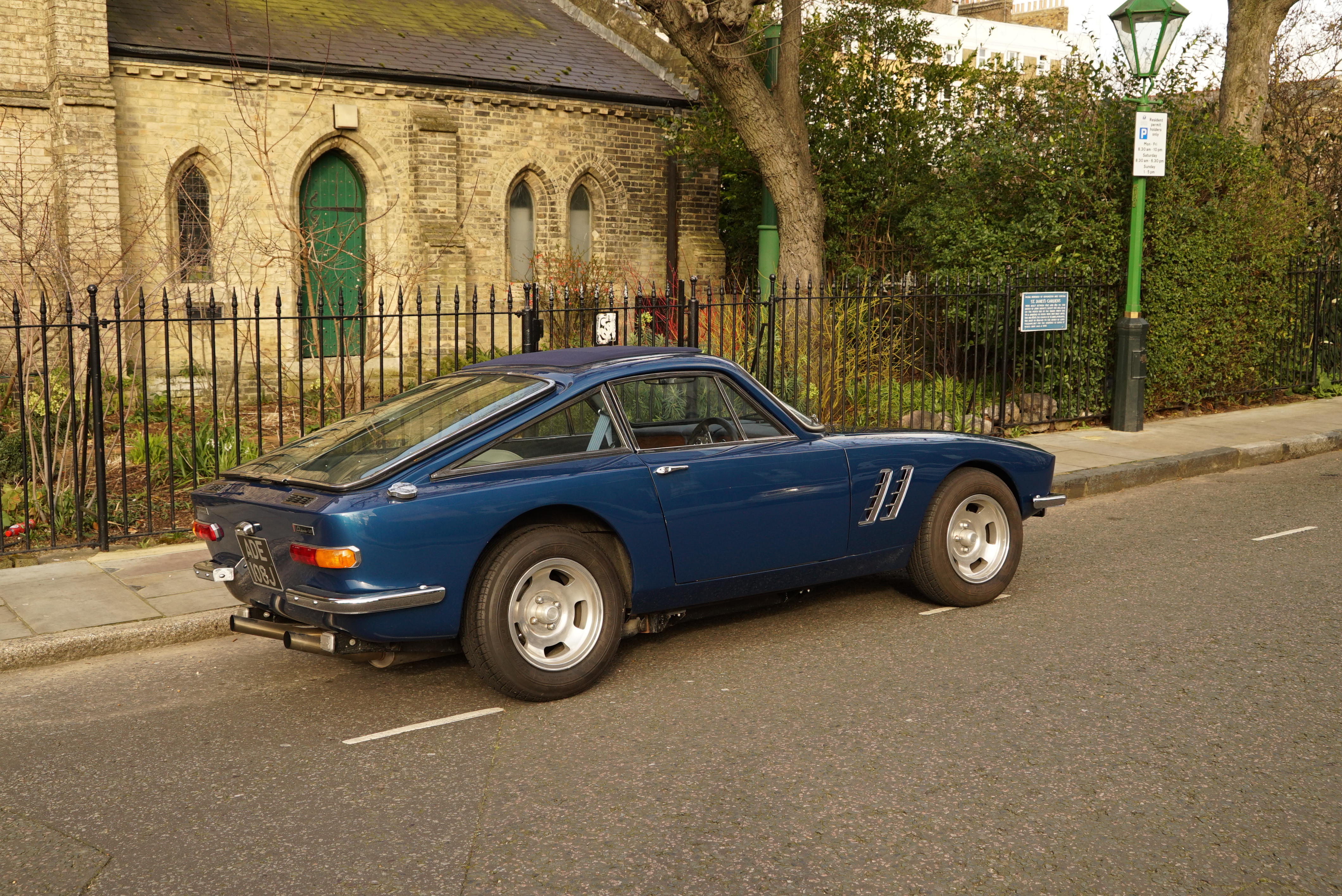
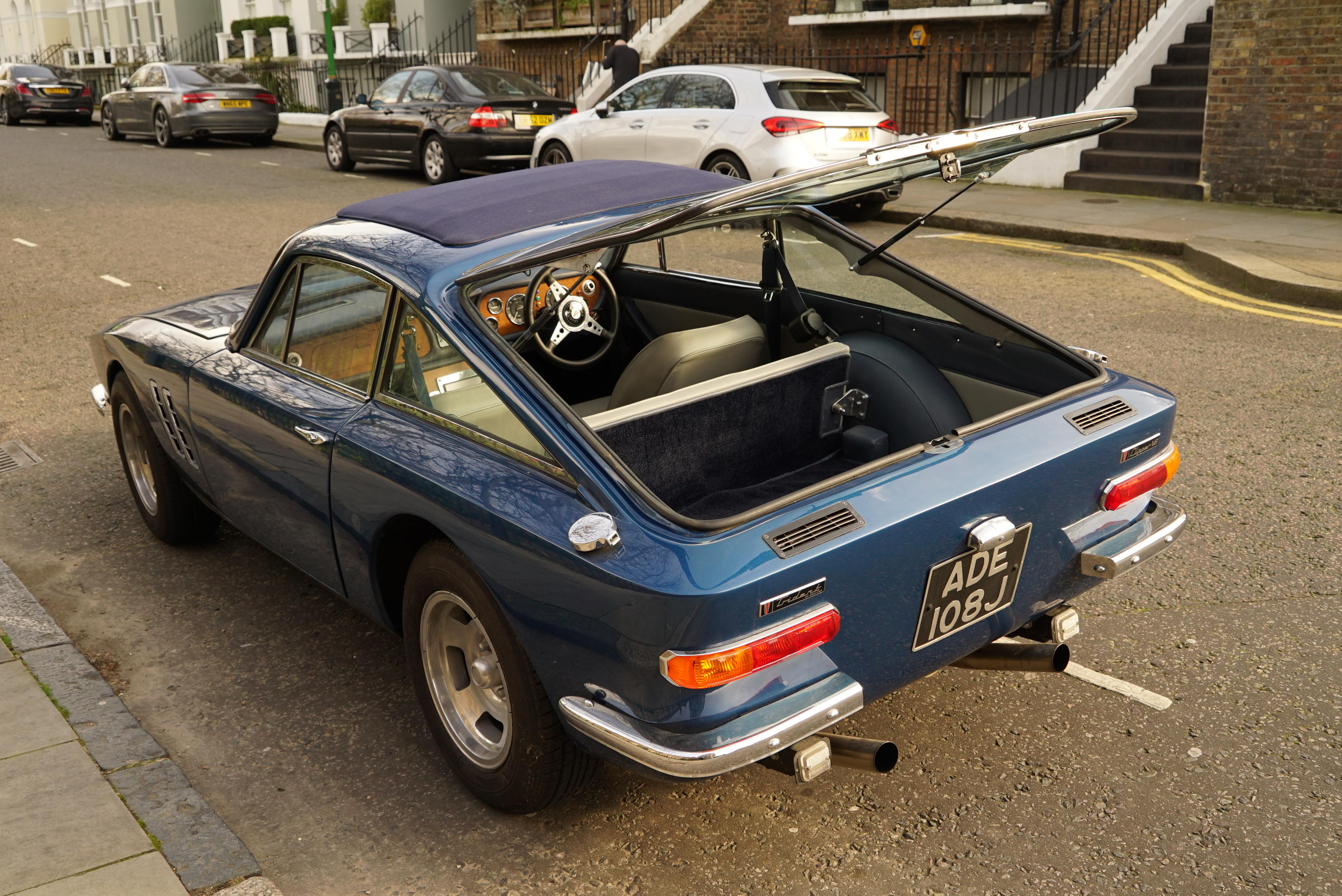
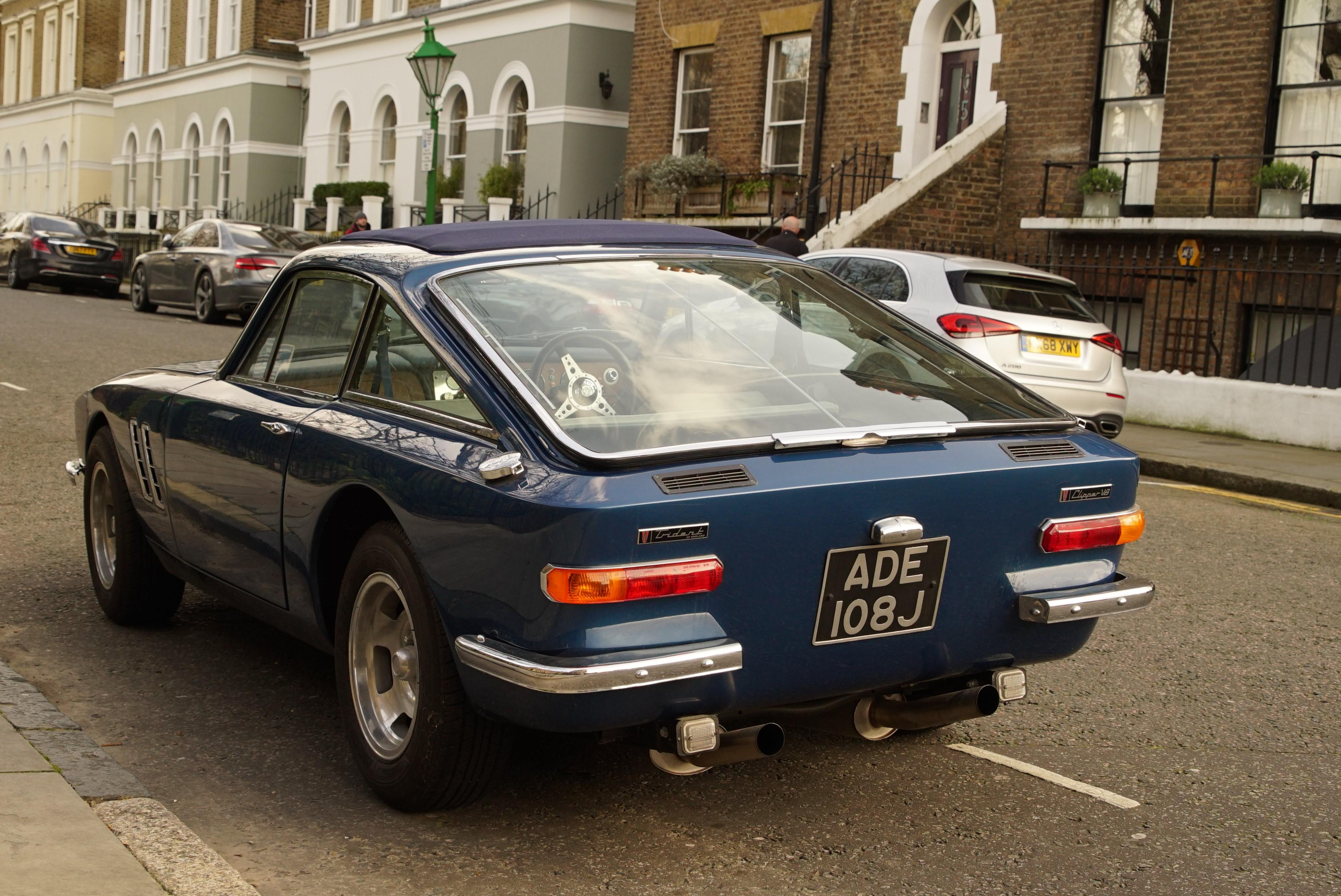
Clippers appear with both completely open headlights, Plexiglas covered headlights and headlights covered (on top) by curved extensions of the bodywork itself. The Venturer was closer to Trevor Frosts’s original vision; although it didn’t bring back the pop ups, it used Austin Allegro (?) squared headlights which were later replaced by double round units reminiscent of the later series of the Bristol 411 and of the Ogle Mini, with other variants bearing similarities to the front arrangements of the Jensen Interceptor III and to the Reliant Scimitar GTE. Especially at the fronts of the Trident models, the stylistic bric-à-brac continues to appear to have been randomly picked, blending Clipper, Venturer and even Tycoon features (as well as engine choices) in a fascinating chaos reserved only for very low production automobiles.
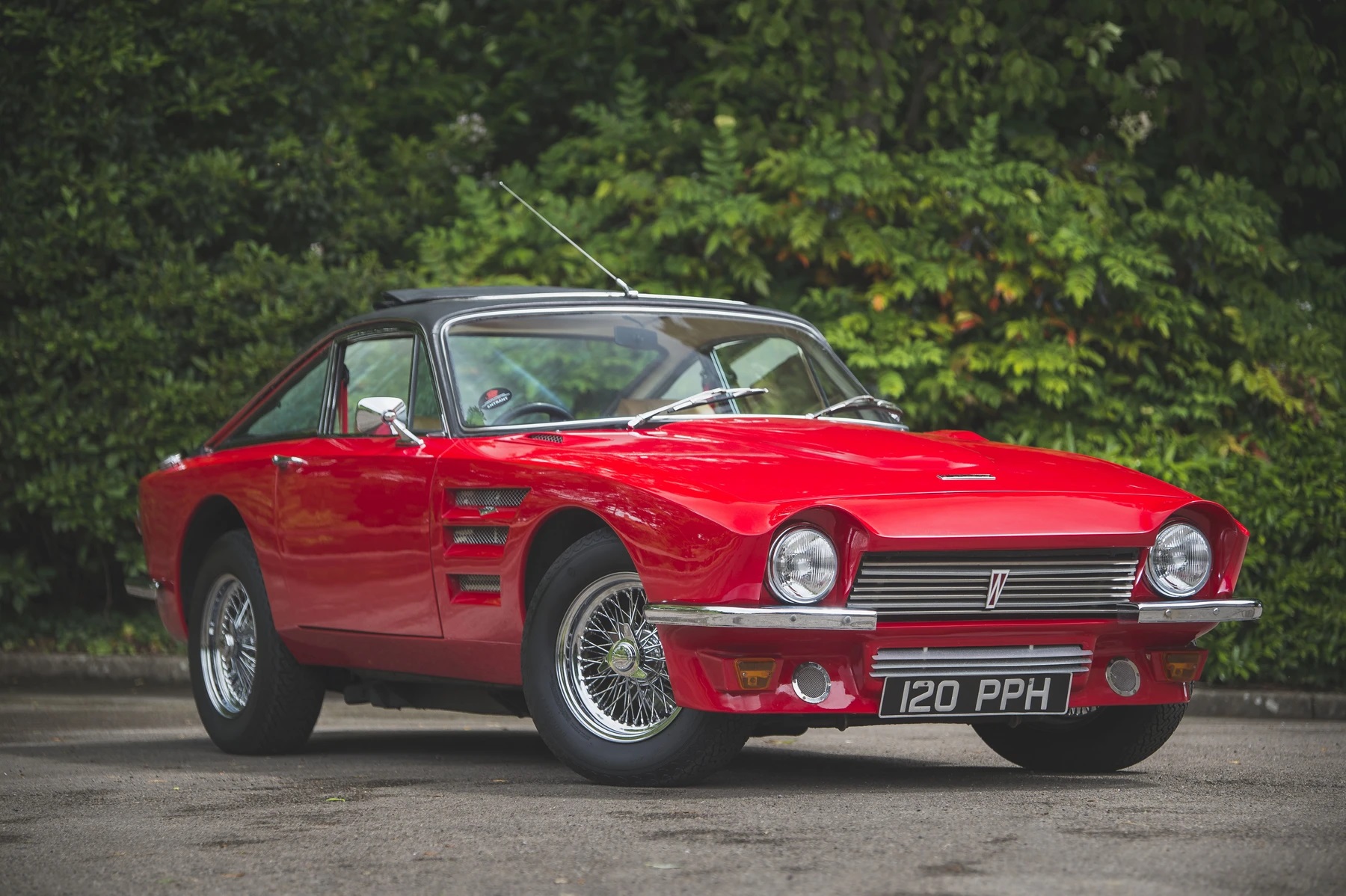
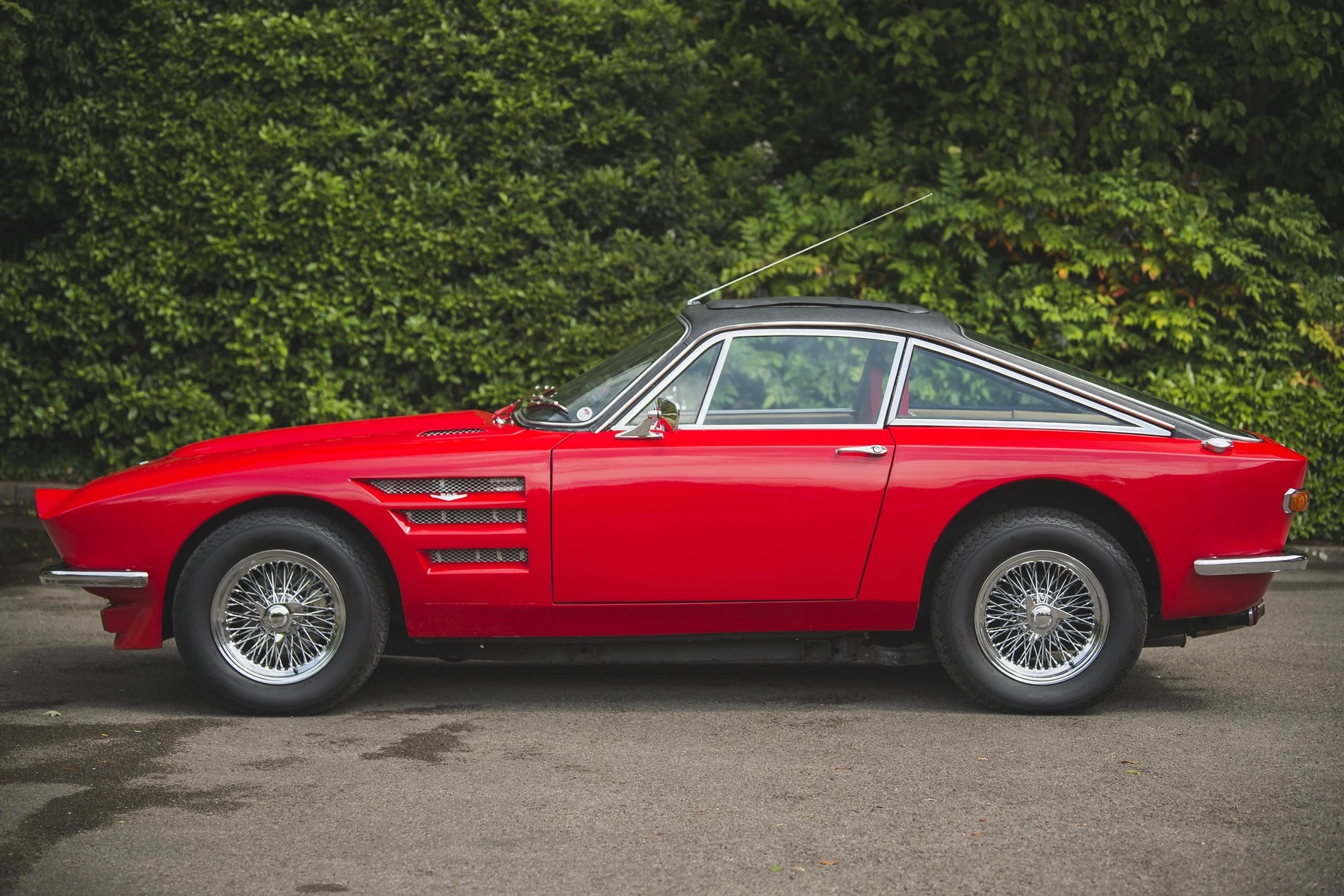
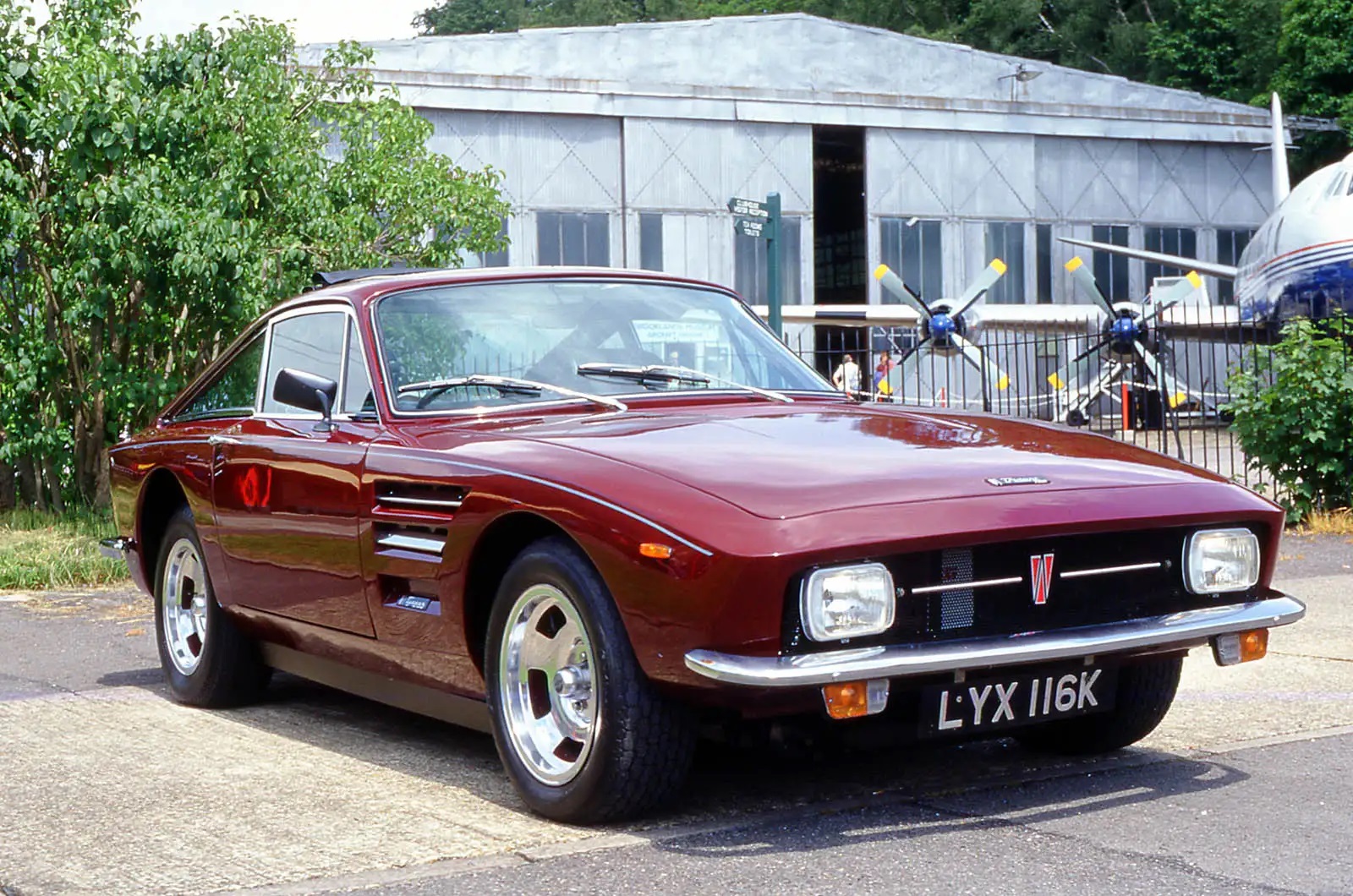
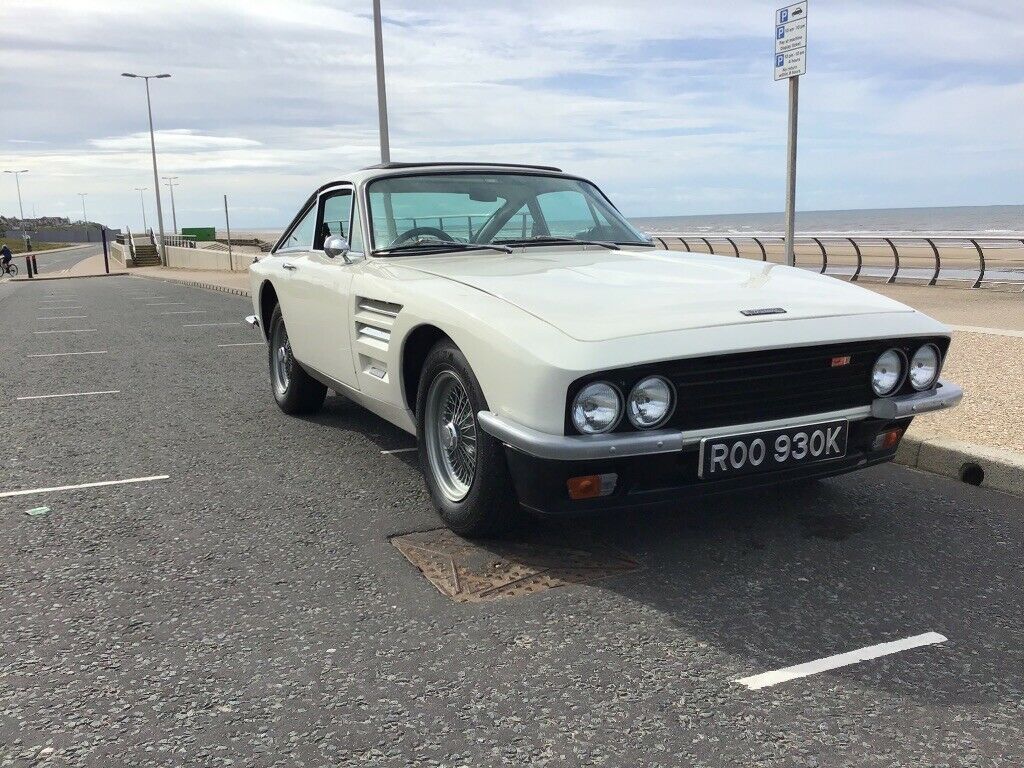
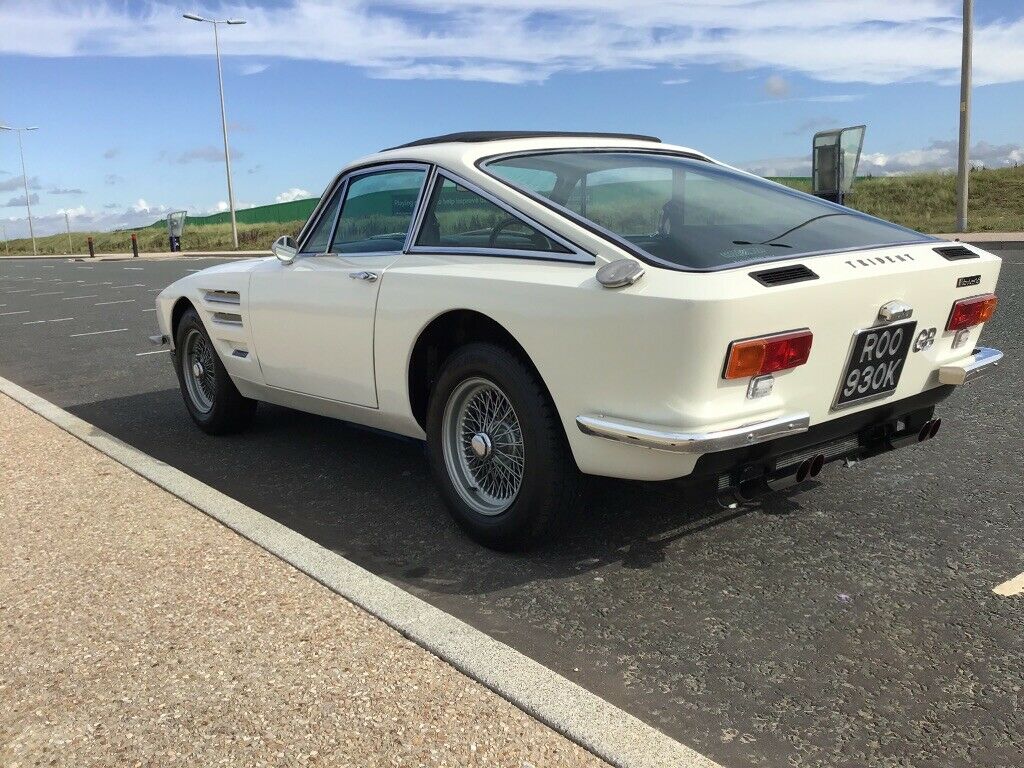
All this (let’s call it) character doesn’t mean that Trident cars were inexpensive. In 1972, the listed price of 3.999 pounds meant that the Clipper was pricier than a Jaguar E-Type 2+2. However, when it came out, compared to the legendary AC Cobra for instance, it seemed like a bit of a bargain, costing just under 2.000 pounds versus the borderline 3.000 of the Cobra. Nowadays, in excellent condition, a non-V8 Clipper (in the U.K.) will set you back between 35 and 40 (ish)thousand Euros. Venturers in similar condition can still be found for just a little under that, but barely.
Image credits: Hagerty; Historics Auctioneers; Car and Classic; Autocar; Practical Classics

